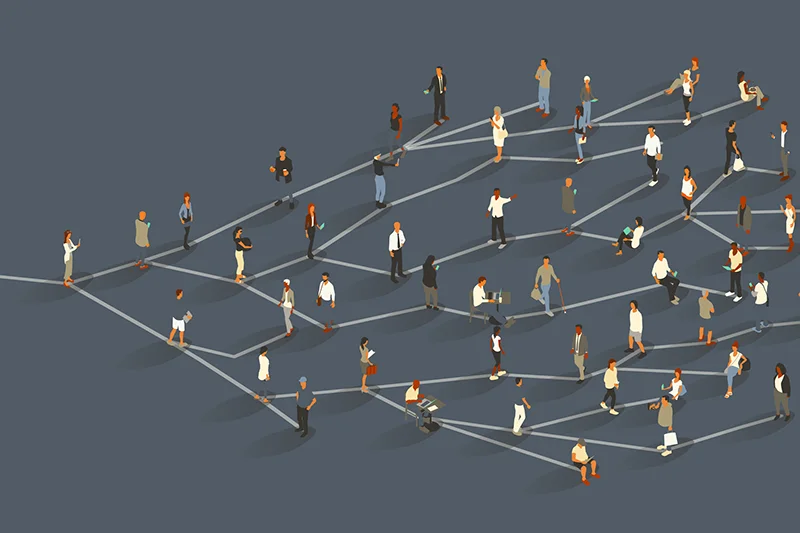
Singapore Management University has created an Office of Impact to trace and document the quieter ways its research travels beyond papers and citation counts. The move is meant to make visible the kinds of influence that can shape policy, business practice and public understanding without leaving a clean numerical trail.
That matters now because universities are under sharper pressure to prove value in systems that still reward what is easiest to measure. Students and families look to rankings, researchers are judged through publications and citations, and institutions are expected to show that scholarship delivers more than prestige. SMU says those indicators still matter, but they do not capture the full reach of research that unfolds slowly and through many hands.
The university said its desired impact is tied to human capital development, knowledge creation, economic development, and strengthening social and community life, the four areas that anchor SMU2030. It also said its focus is not limited to research alone, even though academic impact remains vital because rigorous scholarship is the base on which lasting social contribution is built. In SMU’s view, research can shape policy debates, inform regulatory frameworks, influence business practice, deepen public understanding, support industry innovation and generate broader social or cultural benefits.

But the challenge is that the most visible signals are not always the most important ones. Publications and citations dominate academic assessment because they are legible, counted, benchmarked and compared. SMU said the societal impact of discovery may take years to emerge and may pass through multiple actors before it is felt. Some contributions are easy to point to. Others are quieter and harder to evidence. That is why the new office exists: SMU said recognizing those quieter outcomes requires people whose job is to trace the pathways and gather the proof.
The point is not abstract. SMU gave one example from a 2022 study on consumer acceptance of cultivated meat. The research was taken up without prompting by the expert panel behind a reference document on cell-based food safety intended for national food safety authorities. SMU said the same work was later presented to food agency leaders from 18 countries alongside representatives from the World Health Organization, the Food and Agriculture Organization of the United Nations and the Codex Alimentarius Commission. That is the kind of influence a citation table would miss, even though it can matter far beyond campus.
What SMU has not yet spelled out is how it will measure the next layer of impact. Publications and citations remain part of the picture, but the university is clearly reaching for complementary indicators that can catch policy use, regulatory influence, business adoption and broader social reach. The real test now is whether the Office of Impact can turn those scattered effects into evidence strong enough to stand beside the numbers that still dominate the field.