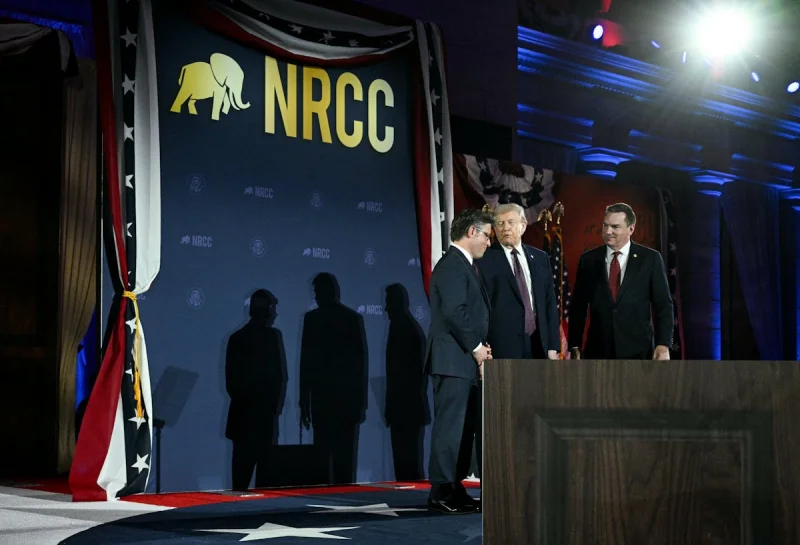
The Republican Party is moving ahead with its first-ever midterm convention, a two-day event in Dallas on September 9 and 10 that is being hosted by the National Republican Campaign Committee. House members are being asked to pay at least $25,000 to attend with a guest, while some higher-tier packages reach $100,000.
The timing is part of why the plan is drawing attention now. The gathering comes just before the twenty-fifth anniversary of the 9/11 attacks, and it is not serving the normal purpose of a party convention: no candidates are being nominated. Instead, the event is being built around paid attendance, corporate sponsorship dollars and a guest list that went out only in the last few weeks to Republican leaders and lawmakers.
For Donald Trump, that makes the Dallas convention look less like party business than a stage. A Republican strategist told Puck that the event has turned into a “shit show” and called it “yet another opportunity to shake down corporate America.” The strategist added that nobody understands why there is a midterm convention and said it is “just another show that Trump is going to put on to remind the voters that he is sitting there, and maybe they don’t want to be reminded of that.”

That criticism lands because the convention’s fundraising structure is unusual even by modern political standards. The sponsorship money is going to a nonprofit that does not have to disclose its donors, and the invitations are arriving so late that many of the Republican leaders and lawmakers asked to come already have other commitments. In other words, the party is selling a major event before it has shown it can actually fill the room.
The same pattern of Trump-branded spectacle is visible elsewhere. The Washington Post reported that the Kennedy Center is on track to fall $100 million short of its profit goal directly because of Trump changing the name to the Trump-Kennedy Center, with the center now expecting to miss its budget target by 70 percent and its contributed revenue target by 25 percent. The projected deficit is $23 million, and an anonymous source close to the situation said the center took a huge hit when the takeover happened and that donors, ticket sales and artists disappeared “like it was doomsday.”
That backdrop matters because the political convention and the cultural fight are tied together by the same style of governance: expensive, highly visible and heavy on image. In July, the Trump-appointed Kennedy Center board tried to close the center for two years, a U.S. district judge blocked that decision as “ill-informed and seemingly preordained,” and earlier this month the board voted again to close the center for two years and renovate the building in Trump’s image. The next test in Dallas is whether Republican leaders will show up in enough numbers to make the convention look like a party rally or whether the late invitations, the high prices and the lack of real business leave it looking like a showcase built for one man alone.