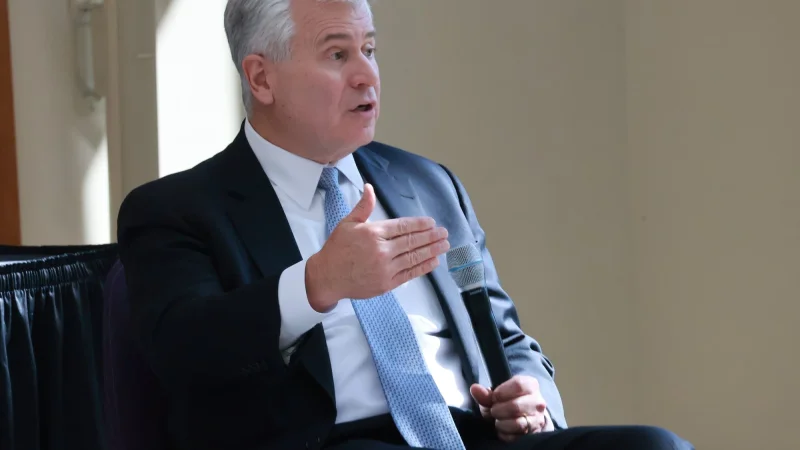
The Justice Department has asked two Minnesota federal judges to step aside from immigration-related cases after both took part in a New York Times interview that criticized the Trump administration's crackdown. The separate motions target Patrick Schiltz and John Tunheim, who are still handling cases tied to the same enforcement push.
The request lands now because Schiltz and Tunheim are not abstract names in a larger fight. Schiltz is overseeing the government's effort to strip citizenship from Salah Osman Ahmed, a Somali-born man who pleaded guilty in 2009 to providing material support to terrorists after joining al-Shabaab. Tunheim is presiding over the prosecution of a South African national accused of falsely claiming U.S. citizenship and illegally voting in the 2024 election. If the motions are granted, both cases could be reassigned.
Schiltz and Tunheim were among seven Minnesota federal judges who spoke with in September about Operation Metro Surge, the administration's immigration operation that has brought a wave of cases to the Minnesota federal bench. In that interview, Schiltz said the administration's handling of the operation had created a grave threat to the rule of law. Tunheim told the newspaper that agents carrying out the crackdown did not appear to be mainly apprehending dangerous criminals.

The Justice Department says that sort of public commentary crosses a line for judges who are still presiding over active cases. In its motions, the department said impartiality is imperative to public trust in the judiciary and argued that Schiltz's and Tunheim's on-the-record participation in what it called a highly partisan article, along with Schiltz's later public comments, unquestionably calls into doubt whether they can be impartial in these cases. Attorney General Todd Blanche separately said their conduct undermined public confidence in an impartial judiciary in Minnesota.
The friction is simple and unusually direct: the same judges the government wants removed are the ones deciding immigration cases that grew out of the very operation they criticized. The department also filed a judicial misconduct complaint against Schiltz, Tunheim and other Minnesota judges who took part in the interview, and last month it asked the Eighth Circuit to investigate. That leaves the immediate question not about the politics of the crackdown, but about whether the judges can keep the cases or must hand them off.
For now, that decision sits with the court. The motions have been filed, the judges remain on the cases, and the next move will determine whether the Justice Department's challenge ends with a rebuke or with two of Minnesota's most prominent federal judges being pulled from immigration litigation altogether.