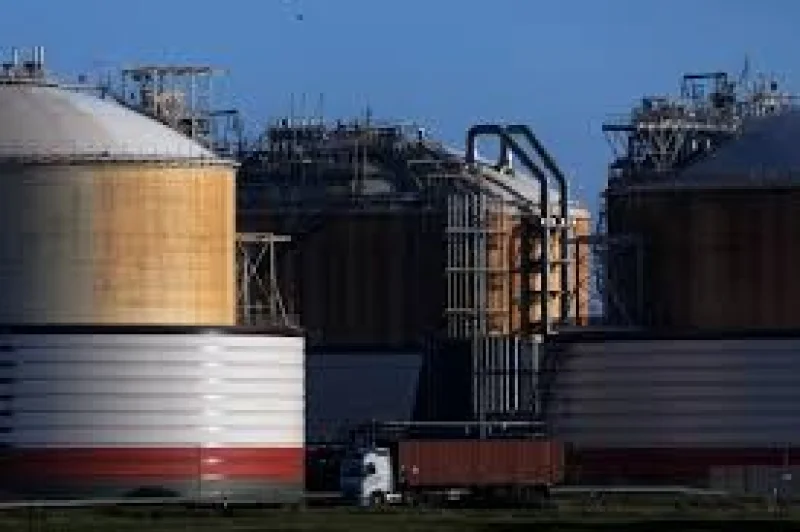
Great Britain’s electricity system should stay secure this winter, with the National Energy System Operator saying the lights will stay on despite warnings that a few tight days could still test the grid. The operator said it is prepared and resilient, and that any extra notices to power producers would be routine rather than a warning of cuts.
The reassurance came as Deborah Petterson said households and businesses can be confident that Great Britain’s electricity system remains secure, reliable and among the most resilient in the world. National Gas also said it expects to have enough supply to meet demand this winter, a message aimed squarely at readers looking for answers on blackout risk as colder weather approaches.

The timing matters because Britain’s energy generation and security are under closer scrutiny after wars in the Middle East and eastern Europe pushed prices higher and fed supply fears. Wind power was the largest generator of electricity in Britain last year, accounting for almost 30% of all power and edging just ahead of gas, which is part of why the system now has to balance more variable output with demand that can spike quickly.
That balance is exactly where the unease sits. An independent investigation by Eversheds Sutherland found high levels of stress and concern inside the Electricity National Control Centre, with engineers worried about the current state of the energy industry and the longer-term challenge of keeping the system balanced. The probe found a significant disconnect between control room staff and senior leadership, while witnesses said executives do not fully understand the pressures faced by the people responsible for keeping the lights on.
Those concerns were brought into the open after Clare Coutinho said in July she had been contacted by a whistle-blower alleging problems at NESO. Even so, the operator’s line is unchanged: supplies are expected to remain secure throughout the winter, and the tight days it flagged would lead only to notices saying additional generation may be needed. For households and businesses, the answer today is clear enough — no blackout warning, but a system that will be watched closely when demand rises.