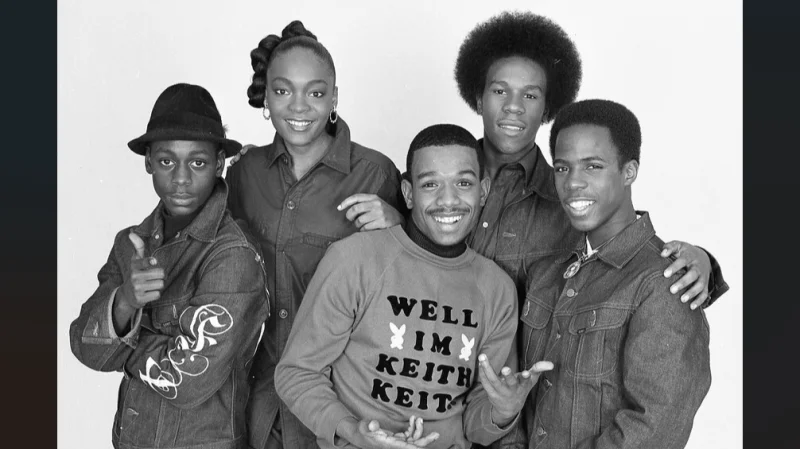
Keith Caesar, the Bronx MC known as Keith Keith and a founding member of Funky 4 + 1, died Aug. 21, 2026, from medical complications at 64. He was living at the Frederick Douglass Houses in Morris Heights when he died.
His death closes the life of a man remembered inside hip-hop as one of the culture’s foundational architects. Caesar helped carry Funky 4 + 1 through one of rap’s earliest landmark recordings, and his name sits on the credits of That’s the Joint, the group’s 1980 release that still anchors any account of the form’s first commercial breakthroughs.
Funky 4 + 1 began in the South Bronx in 1977 with Sha-Rock, K.K. Rockwell, DJ Breakout and DJ Baron in its original lineup, later joined by Jazzy Jeff and Lil’ Rodney C. Caesar was part of the group for Rappin’ and Rocking the House, released through Enjoy Records in 1979, before the group moved to Sylvia Robinson’s Sugar Hill Records. That next phase produced That’s the Joint, built around a track carried by Sugarhill bassist Doug Wimbish and interpolating A Taste of Honey’s Rescue Me.

The record’s stature grew over time. Robert Christgau gave it an A in The Village Voice in 1981 and called it the rhythmic peak of the form, praising the group’s rapid trade-offs and clamorous breaks. VH1 later ranked it No. 41 on its 2008 list of the 100 Greatest Songs of Hip Hop, a reminder that the song survived long after the moment that made it famous.
Funky 4 + 1’s most famous night came on Feb. 14, 1981, when it appeared on Saturday Night Live at Debbie Harry’s invitation and performed That’s the Joint for a national audience. That performance is widely treated as the first hip-hop group appearance on national television, though the label depends on how later acts are counted and compared. The same group was also described as the first hip-hop group to sign a record deal and the first to sell records commercially, claims that underline its importance but also show how early hip-hop history is still measured through competing definitions.
Caesar leaves behind no new milestone, only a sharper view of the one he helped make possible. His death marks the loss of a Bronx MC who helped move rap from block parties and local records to network television, and the unfinished question is not whether Funky 4 + 1 mattered, but how many of hip-hop’s firsts were secured by the people history almost passed over.