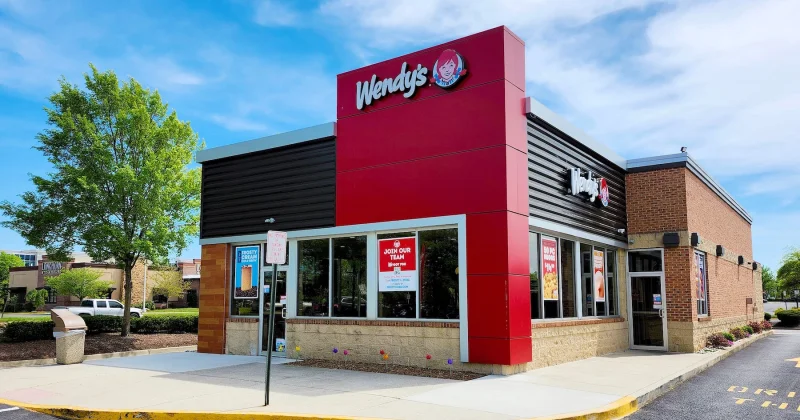
Wendy's shares jumped as much as 16% on August 12 after a report said Nelson Peltz's Trian Fund Management is putting together a proposal to take The Wendy's Company private. The move put fresh takeover speculation around Wendy back at the center of the market's attention.
The stock reaction was swift because the proposal would come from Wendy's largest shareholder, giving the idea immediate weight. Trian holds a 7.85% stake, while Peltz personally owns about 16.24%, and the pair's long relationship with the chain runs back more than two decades, including a past turn for Peltz as chairman.
For investors, the timing mattered as much as the name attached to it. Just days before the report, Wendy's logged its sixth straight quarter of same-store sales declines and pulled back its full-year 2026 estimate. The company has said weaker visits, inflation and a shrinking U.S. restaurant footprint are hurting sales and profitability, while Bob Wright, named permanent president and CEO in May, has been trying to reset the business with better pricing, sharper marketing and improved digital ordering.

That is why the market treated the report as more than a passing rumor. Trian already examined a take-private deal in 2022 and said in a filing that it saw the company as undervalued, but no transaction followed. This time, the reported plan is to build a consortium of co-investors that could include BlueFive Capital and Flynn Group, a structure that suggests Trian would not have to finance the deal alone and would instead spread the equity across partners.
What remains unresolved is whether the idea can clear the same hurdles that stopped it before. A formal bid was expected in the following weeks, though the timetable may vary, and any offer would have to persuade shareholders that private ownership is worth more than a company already under pressure from weak traffic and a softer sales outlook. If Trian moves ahead, the next market test will not be the rumor itself but the price and structure of the bid.
For now, Wendy is being watched less as a turnaround story than as a possible buyout target. The rally showed how quickly traders can reprice a company when its biggest shareholder turns from advocate to potential buyer, even when the underlying business is still struggling to find its footing.