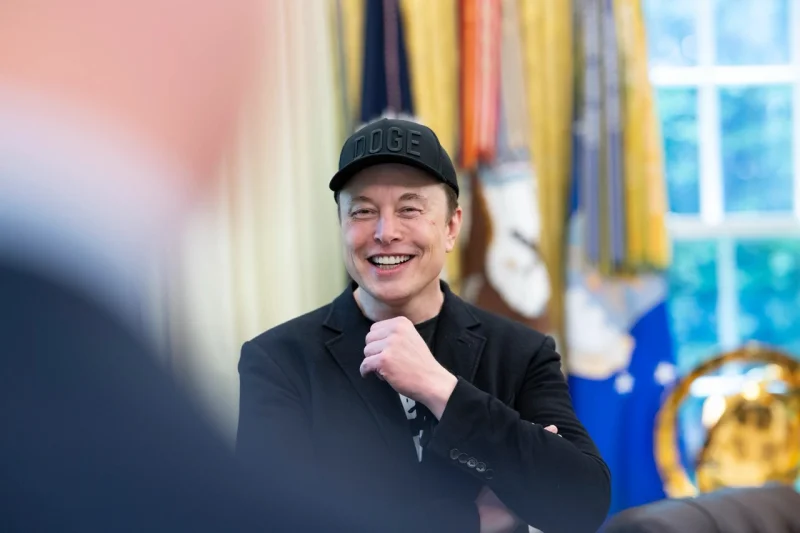
Elon Musk said SpaceX now expects to reach $1 trillion in revenue by 2030, pulling forward a target the company had previously set for 2031 and putting a far more aggressive growth path in front of investors on Aug. 4.
The timing mattered because the projection came with SpaceX's second-quarter financial results, which showed revenue soaring 92% from a year earlier to $7.8 billion. SpaceX also almost cut its net loss in half, reporting a loss of $541 million compared with $1 billion in the year-ago period. That is the kind of progress that can turn a bold forecast into a serious talking point instead of a marketing line.
The math behind the projection is what makes the number so hard to ignore. SpaceX has generated about $12.5 billion in revenue so far this year, while analysts expect an average of about $44.58 billion for the full fiscal year 2026. To get from that base to $1 trillion by 2030, the company would need compound annual growth of nearly 118% for four years straight. That is a pace few companies have ever approached, and it explains why the market is treating the target as much as a test of faith.

That test gets harder when the valuation is part of the same story. SpaceX's price-to-sales ratio is about 64, and it is not currently profitable. At the same time, the company is investing aggressively in its AI-related ambitions, which could support growth later but also keep pressure on profits now. The Motley Fool article says that makes SpaceX too risky and too expensive at current levels, and it argues that investors should wait for a significant dip before buying the shares.
There is a reason Musk's forecast lands differently from a normal stretch goal. SpaceX has already shown it can grow quickly, and the comparison to Amazon is meant to show that explosive revenue expansion is possible, even if it is rare. But the company still has to prove that growth can arrive fast enough to justify the valuation without draining earnings in the process.
For investors, the next question is not whether Musk can say $1 trillion out loud. It is whether SpaceX can keep compounding at a rate that makes the new target believable while moving toward profitability instead of deeper, longer-lasting losses.