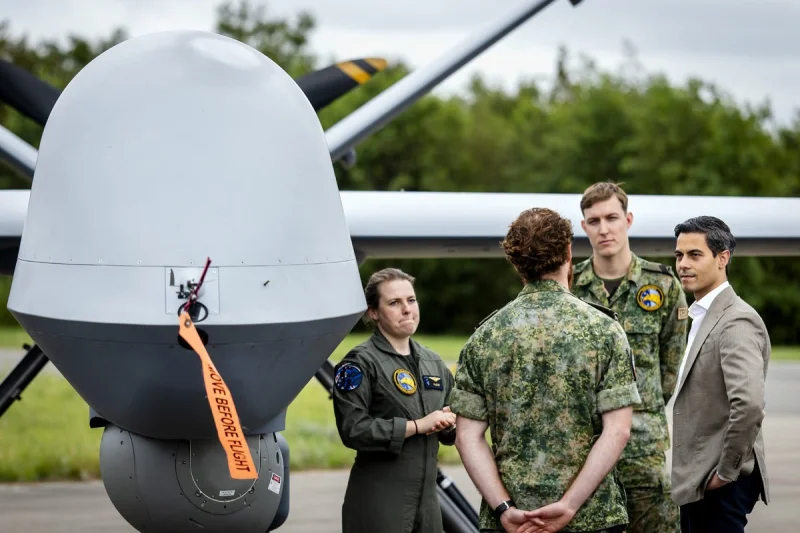
The U.S. military has lost at least 45 MQ-9 Reaper drones in the war against Iran, a toll that amounts to roughly one quarter of the fleet and leaves a high-value surveillance and attack force thinner than it was at the start of the fighting. Three U.S. officials said Thursday the losses have pushed the Reaper inventory into a costly slide that could total up to $1.3 billion.
That figure explains why the search for the losses matters now. Each MQ-9 costs between $30 million and $50 million to build, depending on the sensor package, and the fleet began the war at approximately 185 aircraft, including 165 in the Air Force and 20 in the Marine Corps. By May, Air Force Lt. Gen. David Tabor told the Senate that the number remaining had already fallen to roughly 135, and he said he was concerned.
The loss count is not a simple tally of combat shootdowns. A fourth U.S. official said not all of the Reapers were shot down; some crashed after operators lost connection to the drone. That distinction matters because it means the fleet is being worn down by both enemy fire and the strain of operating in a contested environment, where even aircraft that are not directly hit can still disappear from the inventory.

The Marine Corps has not lost any of its Reapers, according to spokesperson Lt. Col. Joshua Benson, so the depletion has fallen elsewhere in the force. The damage lands at a moment when the Trump administration is trying to accelerate weapons production across the board. Last week, Deputy Defense Secretary Steve Feinberg gave industry leaders three weeks to submit plans for faster delivery and higher output, and Pentagon spokesman Sean Parnell said the department was focused on providing “the weapons our warfighters need at the pace the threat demands.”
The Reaper losses fit a wider picture of a military stockpile under pressure. A Center for Strategic and International Studies report in May said it would take until at least 2030 to restore the U.S. missile stockpile to pre-war levels, warning of a multi-year window of vulnerability in future conflicts. Against that backdrop, each lost drone is more than a hardware problem. It is one more piece of a shrinking arsenal in a war that is still taking from the United States faster than it can replace.
Trump on Wednesday said he wants the U.S. to KEEP the Strait of Hormuz, underscoring that the fighting and the supply lines it threatens are still active. The unanswered question now is not whether the Reaper fleet has been hit hard. It is how quickly the U.S. military can replace aircraft that are being lost both in combat and in flight before the inventory drops further.