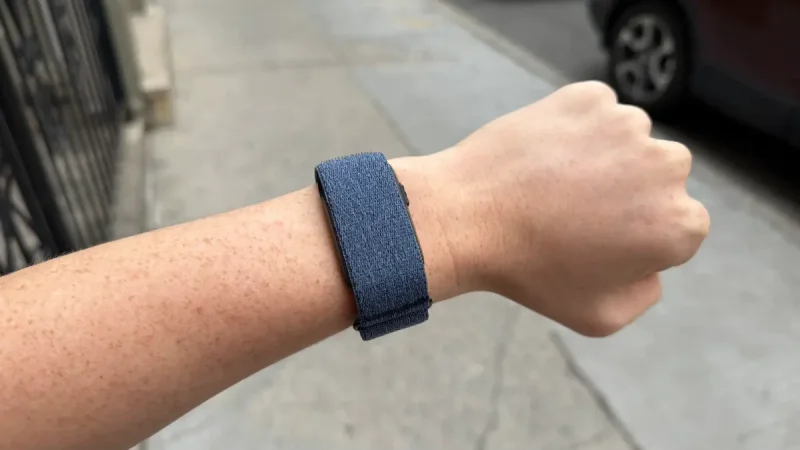
Garmin has introduced the Cirqa, its first screen-free smart band, and it arrives with a simple pitch: keep tracking fitness and wellness around the clock without paying a subscription. The device costs $199 and is meant to sit on the wrist all day and all night, collecting recovery metrics, step counts and sleep data without asking the user to stare at a display.
That is why the Cirqa is drawing attention now. For Garmin users who already wear a Fenix or Forerunner for training, the band offers a lighter way to keep health data flowing through Garmin Connect while leaving the watch off the wrist at bedtime. At setup, users can assign the band as a Primary Wearable and keep the watch as a Primary Training Device, which lets both devices work together instead of forcing a choice between them.
The Cirqa’s appeal is not just that it is screen-free. It also tracks training readiness, HRV status, VO2 max, heart rate, Pulse Ox, stress and sleep, and it can log more than 80 activities, including running, yoga and cycling. It starts with a button press on the device or from the Garmin Connect app, and Garmin says it can also detect workouts automatically.
That last promise is where the product gets less tidy. Automatic workout detection is supposed to make a band like this feel effortless, yet in practice it has been unreliable enough to undercut the feature’s value. The same goes for some of the richer wellness readouts: training readiness trends and sleep coaching need several days or weeks of use before they become meaningful, and even then the data can feel scattered before it starts to add up.
Garmin is trying to split the difference between a watch and a wear-it-and-forget-it band. The Cirqa’s fabric wristband comes in small/medium and large/extra-large sizes, and Garmin also sells an upper-arm band for $49.99 for workouts where a wrist-worn device gets in the way. For users who want 24/7 data without sleeping in a bulky sports watch, that flexibility may matter as much as the tracking list itself.
The Cirqa also reaches beyond general fitness. It estimates period predictions and past ovulation windows using skin temperature gathered during sleep, and it can sync women’s health data to the Natural Cycles birth control app, which requires its own separate subscription. The band’s sleep work also extends to stages, naps and personalized coaching, though the sleep-stage information is described as dubious. In the end, the Cirqa looks less like a replacement for a Garmin watch than a companion that asks users to give it a week or two before judging what it is actually telling them.