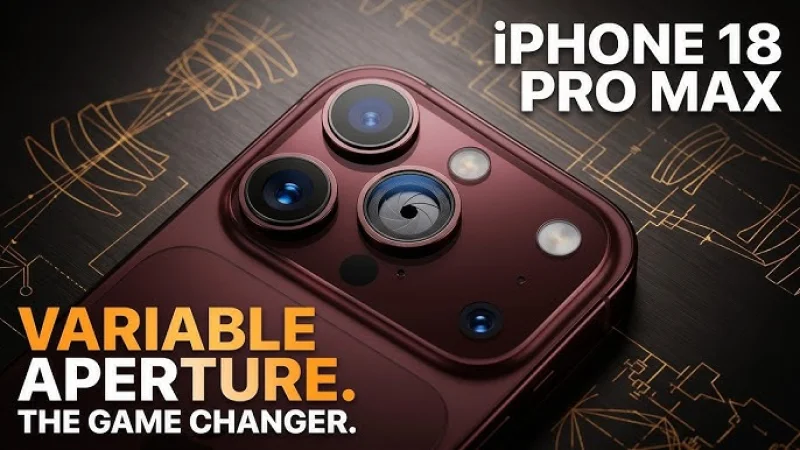
Apple’s next flagship cycle is beginning to take shape, with the iPhone 18 Pro Max expected to headline a more selective fall release that could make the company’s most expensive models the center of attention in September. The device has not been announced, but supply-chain chatter and industry tracking now point to a familiar launch window, a faster A20 Pro chip, camera changes and a possible shift in how Apple staggers its iPhone lineup.
Apple’s 2026 iPhone Rollout Looks Different
The clearest development around Apple’s next flagship is not just what may be inside the phone, but how the company may sell the broader lineup. The iPhone 18 Pro and Pro Max are widely expected to arrive in the company’s normal September launch period, while the standard iPhone 18 and a lower-cost model may move to spring 2027.
That would mark a meaningful change from Apple’s long-running pattern of unveiling most major iPhone models together in the fall. It would also leave shoppers who upgrade every September with fewer lower-priced choices at launch. In practical terms, buyers looking for a 2026 iPhone during the holiday quarter may be steered toward the Pro tier, the Pro Max, or Apple’s first foldable iPhone if that device arrives on schedule.
Apple has not confirmed the timing, model names, pricing or specifications. The current picture is based on component activity, analyst expectations and repeated supply-chain claims, all of which can change before mass production locks in.
A20 Pro Chip Could Be The Biggest Internal Change
The iPhone 18 Pro Max is expected to use Apple’s next high-end mobile processor, likely branded A20 Pro. The major upgrade is expected to be the move to a 2-nanometer manufacturing process, which would represent a step forward from the 3-nanometer chips used in recent premium iPhones.
A smaller process can allow more transistors in a similar chip area, improving performance, efficiency or both. For users, the most visible benefits could include longer battery life, faster gaming performance, improved camera processing and more headroom for on-device artificial intelligence features.
The chip story matters because Apple is under pressure to show visible progress in AI after several rivals made generative features a central part of their phone marketing. A more efficient processor would give Apple more room to run advanced features locally, reducing reliance on cloud processing for some tasks while preserving battery life.
Camera Upgrades May Focus On Control, Not Just Megapixels
The most discussed camera change is a variable aperture system for the main rear camera. If it reaches the final device, it would be a first for Apple’s iPhone line and would give the camera more physical control over how much light reaches the sensor.
A wider aperture can help in darker scenes, while a narrower setting can improve handling of bright environments and adjust depth of field. That could give photographers more control over background blur and exposure in a way that is currently handled heavily through software.

The Pro Max model is also expected to remain Apple’s showcase for battery endurance, camera stabilization and premium display technology. Even so, the rumored camera improvements appear evolutionary rather than a complete redesign of the photography system. Apple’s recent strategy has favored a combination of hardware upgrades, computational photography and video tools rather than headline-grabbing sensor changes alone.
Display Rumors Point To A Smaller Dynamic Island
One of the more visible design questions is whether Apple will shrink the Dynamic Island. Earlier chatter suggested a more aggressive move toward under-display Face ID, but the more cautious expectation now is a smaller cutout rather than a fully uninterrupted screen.
That distinction matters. A reduced Dynamic Island would still give the phone a fresher look, but it would not be the all-screen redesign many buyers have anticipated for years. The front camera is still expected to require a visible opening, while at least some Face ID components may move beneath the display if Apple’s production targets hold.
Color leaks have also pointed to a revised Pro palette, including darker red or purple tones, silver, gray and a lighter blue option. Those details remain unconfirmed and can shift late in the development cycle, especially because accessory parts and test components do not always match Apple’s final finishes.
Pricing Pressure Could Shape Buyer Reaction
The Pro Max has already become one of Apple’s most expensive mainstream products, and the 2026 model may face added pricing pressure from several directions. New chip technology, more complex camera hardware and a changed launch mix could all make the top-tier iPhone feel more premium than ever.
A separate foldable iPhone, also expected in the September window, could further stretch Apple’s high-end pricing ladder. That device is widely expected to cost far more than a conventional iPhone, which may allow Apple to keep the Pro Max positioned as the familiar premium choice while reserving the highest price point for a new form factor.
For consumers, the key issue will be whether the upgrades feel substantial enough to justify another expensive cycle. A faster chip and better camera controls may appeal strongly to power users, creators and buyers keeping older phones for longer. Owners of recent Pro Max models may need more than a smaller cutout and speed gains to see a compelling reason to move.
What To Watch Before September
The next major clues will come from production activity over the summer, including display orders, camera module ramp-up and case-maker leaks. By late August, Apple’s final hardware direction is usually much clearer, even though the company keeps official details sealed until its launch event.
For now, the iPhone 18 Pro Max looks less like a radical reinvention and more like a strategic premium upgrade: faster silicon, more advanced camera hardware, modest design changes and a launch plan that may push Apple’s fall lineup further upmarket. The most important unanswered question is whether that package will feel like meaningful progress to everyday buyers, or mainly a refinement aimed at Apple’s most committed premium customers.