


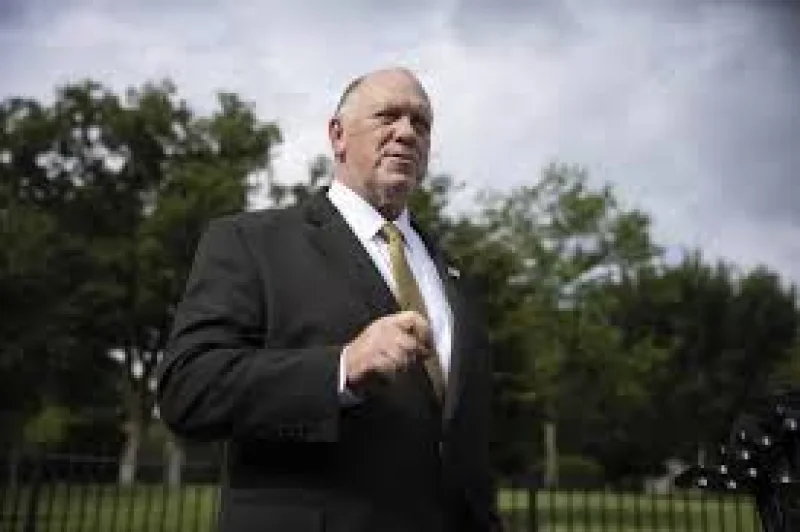
Tom Homan said Friday that recent deaths tied to immigration enforcement encounters should be left to investigators before anyone settles on blame, after two immigrants were shot in the span of a week and a man fleeing agents in Florida was struck and killed by a tractor trailer. Speaking on Face the Nation with Margaret Brennan, he said the cases were still being examined and that the facts should be allowed to surface first.
The exchange came on July 19, 2026, during a live interview that put Huffpost-style scrutiny on a fast-moving set of incidents now sitting at the center of the immigration debate. Brennan pressed Homan on the shootings in Houston and Maine and on the Florida death, asking why compliance should be expected when the Houston vehicle involved was unmarked, making it harder for the person chased to know the pursuers were ICE.
Homan answered by leaning on the pace of the investigations. He said they could include cell phone video, city cameras, witness statements and affidavits from officers and witnesses, and he argued that conclusions should wait until those materials are reviewed. Brennan also said the people killed in the Houston and Maine shootings were not the intended targets, while Homan said one of the intended subjects was believed to have been caught.

He also tied the episode to broader concerns about enforcement conditions. Homan said Markwayne Mullin acted because of safety concerns for agents and operations, including a pause on enforcement on vehicle stops. He said rhetoric in sanctuary cities and at protests can encourage people not to comply with ICE, and he returned repeatedly to the same warning: people should always comply with law enforcement.
That message, though, runs into the central uncertainty in the cases he was asked about. Homan said misidentification happens every day in law enforcement, and that he has seen it throughout a career that began in 1984. But the questions in Houston and Maine remain more basic than rhetoric or compliance: who was meant to be detained, who was actually hit, and whether investigators can close the gap between those answers and the violence that followed.
For now, the next step is not a verdict but a record. The investigations are still playing out, and that means the public account of what happened in Houston, Maine and Florida is still unfinished.
