


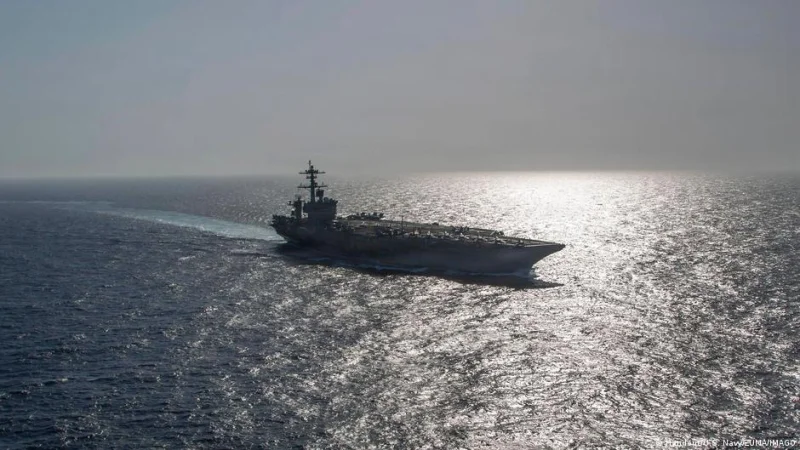
US Central Command said it launched a new wave of strikes against Iran on July 16, extending the campaign into a sixth consecutive night as the conflict pushed deeper into the week. The strikes began at 2 p.m. ET, or 7 p.m. GMT, and came as the White House kept saying dialogue with Iran was still open.
The timing matters because this is no longer a single retaliatory blast. It is a sustained military run that has continued while officials in Washington insist the door to a deal has not closed. Karoline Leavitt said Iran “very much continues to talk to the United States of America,” and added that the recent strikes were a response to Iran violating a memorandum of understanding.
That agreement, signed in June, went beyond a narrow promise on one waterway. Leavitt said Iran agreed not to seek nuclear weapons and not to fire on commercial vessels moving through the Strait of Hormuz. She said Iran made “the tragic decision” to do so anyway, which the White House now cites as the reason for the recent attacks. The Strait of Hormuz has returned to the center of the dispute because it sits at the point where military pressure and commercial shipping risk meet.

There was no immediate public accounting of what the latest wave of strikes hit, leaving the latest round defined more by its pace than by its targets. That gap sits alongside a wider unease about where the standoff is heading. Robert Pape told DW that Iran could be less than a year away from crossing the nuclear threshold, saying it could reach that point in about 12 months or less and was “on the cusp” of it.
Other signs of escalation surfaced beyond the strikes themselves. IRNA reported explosions in Bushehr in southern Iran, while Kuwait's Defense Ministry said its army intercepted 32 Iranian drones since this morning. The White House, meanwhile, said Iran and the United States are not off the table for a deal. That leaves Washington trying to wage pressure and keep talks alive at the same time — a combination that can hold for a while, but rarely without a breaking point.
For now, the next step is still the one no one has named: whether the strikes keep going, whether the talks produce something more concrete, or whether the campaign spreads into a wider confrontation that diplomacy can no longer keep in place.
