


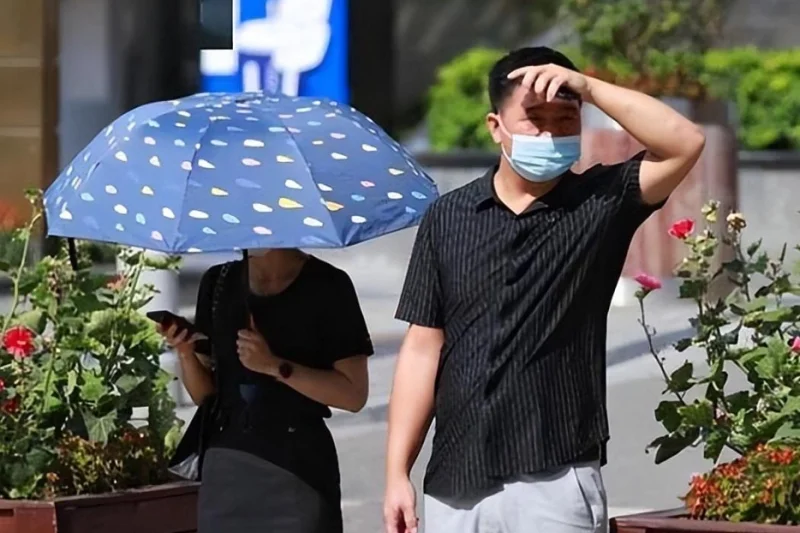
Extreme heat in Turpan has pushed surface temperatures to 84 degrees Celsius, while sustained high temperatures in the Kunlun Mountains have also triggered snowmelt floods in Qiemo County. In one part of Xinjiang Uygur Autonomous Region, roads are being damaged. In another, the ground is hot enough to set a new seasonal mark.
Lan Yunxia said the 84 degrees Celsius measured recently was the highest surface temperature recorded since the beginning of summer this year. She said the highest surface temperature ever recorded at the Flaming Mountains Scenic Area is 89 degrees Celsius, a reminder of how severe Xinjiang weather can become when heat settles over Turpan for long stretches.
Meteorological authorities link that heat to Turpan's closed basin topography, bare rock surfaces and long sunshine hours. Those same conditions help explain why the area keeps climbing into dangerous territory so quickly. The recent reading matters because it shows the season has already reached an extreme that is close to the historic high at the scenic area.

The other side of the same weather pattern is less visible but just as disruptive. High temperatures have melted snow in the Kunlun Mountains, and the runoff has triggered localized floodwaters in Aoyiyayilake Town. Sections of road across the Gobi Desert have been washed away or damaged, cutting traffic and forcing local authorities to send in heavy machinery to clear mud and standing water, repair and reinforce roadbeds, and dredge blocked drainage ditches.
That is the friction in this week’s Xinjiang weather: desert heat and mountain meltwater are hitting at the same time. The area at the foot of the Kunlun Mountains is already known to be highly susceptible to floods caused by melting ice and snow, and the damage now stretches beyond a weather warning. It is already on the road network and already in the day-to-day movement of people and goods.
Local authorities have also been making door-to-door visits ahead of the annual flood season to teach farmers and herders how to avoid mountain flash floods. That work will likely continue as repairs move forward, because the immediate question is not whether Xinjiang will return to normal, but how much more damage this hot, unstable stretch of weather can still deliver before the season turns.
