


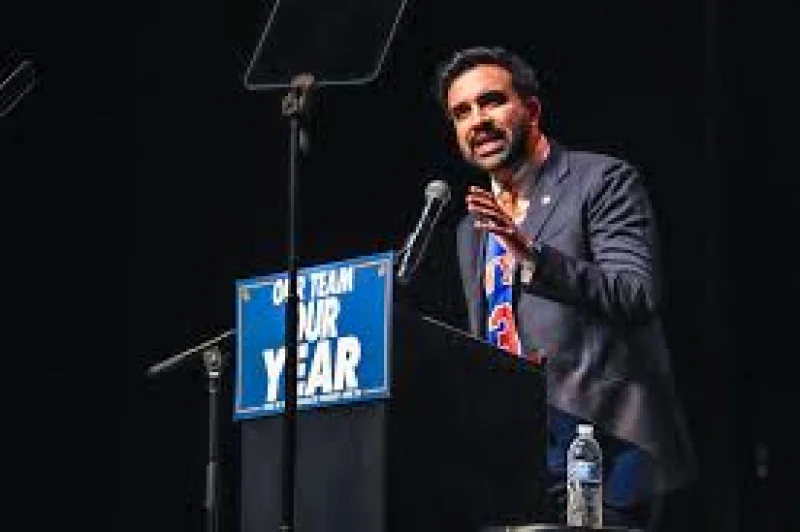
Zohran Mamdani is standing by his description of AIPAC as “monsters” after the remarks set off a fresh fight with Jewish leaders and advocacy groups. On Monday, he defended the language he used last week, saying he was talking about a political status quo, not people.
The clash matters now because the comments were not made in isolation. Mamdani used them at a Thursday rally with Bernie Sanders for Brad Lander, Claire Valdez and Darializa Avila Chevalier, then faced condemnation from Josh Gottheimer on Sunday before answering back a day later. Gottheimer said, “Swap ‘AIPAC’ for ‘Jews’ and it’s the oldest antisemitic conspiracy theory in the books,” adding that “This bullshit is dangerous.” He also argued that the attack was not on a lobby but “laundering antisemitism from your podium as Mayor of a city with more than a million Jews.”
Mamdani’s defense was straightforward. He said he took the word “monsters” from Antonio Gramsci and was referring to “an organization that has been supportive of the status quo, that has fought any attempt to actually deliver safety to people.” He also said, “We’re talking about a status quo where children are being killed on a daily basis.” The point he was making, he said, was about AIPAC’s role and its strategy of funding other PACs that act as shell organizations and move millions in dark money.

That explanation did not calm the criticism. Rabbi Yaacov Behrman said he was “horrified” by the outburst and warned that “the people who hear it see it as a silent endorsement of violence.” He called it “incredibly dangerous.” But Moshe Indig, who endorsed Mamdani just before last year’s November mayoral election, pushed back on the idea that the word itself was antisemitic, saying, “The idea that ‘monster’ means antisemitism — definitely not.”
The broader backdrop is why the dispute has landed so hard in New York. A recent statewide poll found 51 percent of likely voters believe Israel is committing genocide against Palestinian people in Gaza, and 70 percent of Democrats said the same. That does not excuse the language Mamdani chose, but it shows why criticism of Israel, AIPAC and the war in Gaza keeps colliding in public life. Mamdani and local Jewish leaders had already met privately to discuss efforts to combat antisemitism, which makes the latest exchange more pointed, not less.
None of the House hopefuls in the three primaries Mamdani endorsed were willing to criticize his remarks, and some defended him or said nothing at all. That leaves the political cost where it started: with Mamdani, who has chosen not to retreat, and with the candidates around him, who are now being judged by whether they distance themselves from the attack or absorb it.
