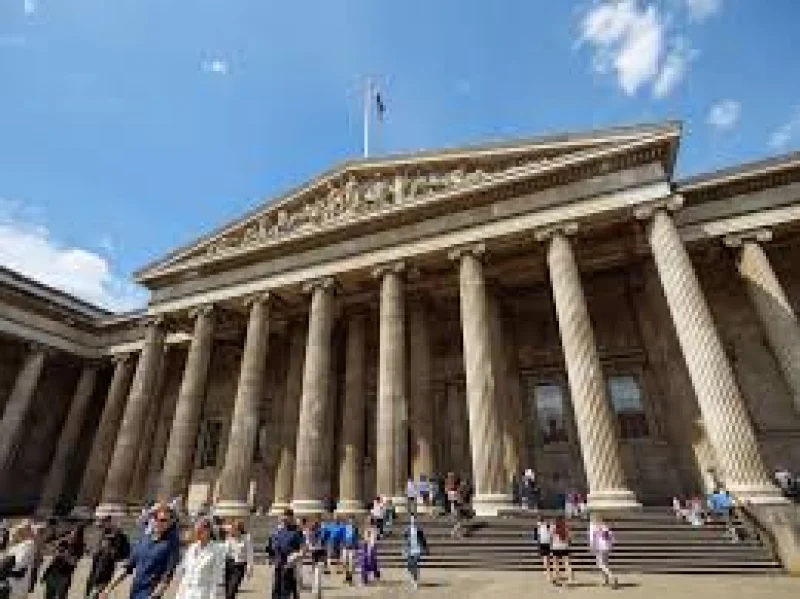
The British Museum has postponed a Jewish culture month lecture on ancient Israel and Judah after saying it believed protesters would try to disrupt the event. The talk, due to be given by Dr Paul Collins in the museum’s BP lecture theatre on Thursday, will now take place later.
The timing is what makes this move land hard. The decision came less than 24 hours before Collins was due to speak, and the museum said on Thursday afternoon that the rescheduled lecture would be moved to early next month with a livestream so it could reach a wider audience.
Collins had been due to examine the archaeology and history of the ancient kingdoms of Israel and Judah through artefacts held by the museum, with the lecture also expected to touch on the Babylonian destruction of Jerusalem and the Maccabean revolt. It was one of the events marking the first ever Jewish culture month in the UK, a programme intended to put Jewish history and scholarship in public view.

The museum said it had been told a significant proportion of the registered attenders were people intending to deliberately disrupt the event, preventing others from taking part in good faith and undermining the purpose of the programme. It said it fully recognised the importance of lawful protest and freedom of expression, but also had a duty to make sure events inside the building could proceed safely, securely and without intimidation for speakers, staff and visitors. After talks with organisers and security partners, it said the postponement was a joint decision taken so the lecture could happen in an environment that properly safeguards both the audience experience and the integrity of the programme itself.
That explanation did not satisfy critics. George Osborne shared the museum’s statement on X and urged people to read it before speculating. Kemi Badenoch called on the government to intervene, saying publicly funded institutions like the British Museum needed to do what’s necessary to put the event on. Jonathan Sacerdoti said the decision amounted to the cancellation of Jews and Jewish events in Britain, while historian Simon Schama called it cowardice and said it sent a terrible message. The museum said it would continue to support Jewish culture month with a space where history, culture and scholarship could be explored without disruption.
The lecture is now expected early next month, but the exact date has not been announced. The delay leaves a sharper question than the museum probably wanted to answer: how many other public events will now be judged not by whether they can be hosted, but by whether they can survive the threat of disruption.