


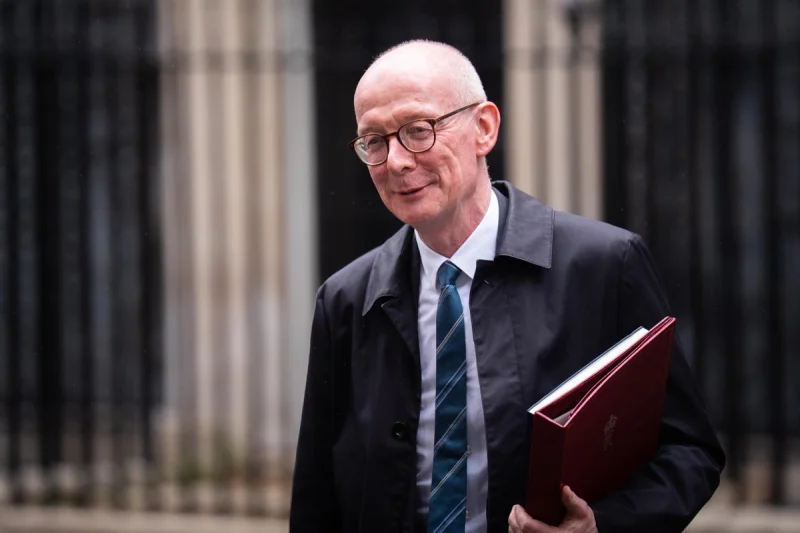
Work and pensions secretary Pat McFadden has moved to defend Labour’s welfare reform drive, warning against attempts to shrink the benefits bill by shifting the cost onto taxpayers. He said the system should be built around work and opportunity, not around a political exercise in finding money first and policy second.
McFadden said on GB News that he had been making the same argument “in public and in private for a long time”, after saying many of the meetings he attends turn into a debate over “who can we tax in order to pay benefits to others”. He said MPs were “asking the wrong questions” and argued that welfare reform should change what the system asks people in the first place.
“We need to change the question that the welfare system asks,” McFadden said, setting out a view of reform that starts with how to help people change their lives rather than simply calculating what they are entitled to receive. He called that “a progressive welfare reform question” because, in his words, it puts work and opportunity at the heart of the system. He also said he did not think reform should begin with a target sum to save and only then have policy bolted on afterwards.

The intervention lands at a moment when Labour is already split over welfare, and the argument is no longer theoretical. Rachel Reeves unveiled deeper welfare cuts in last year’s spring statement after the government’s spending watchdog warned plans to save £5bn would probably deliver only £3.4bn, and the politics around benefits have stayed raw ever since. McFadden’s comments also cut across the pressure inside the party from MPs uneasy about where the burden of reform should fall.
That friction was on display at PMQs, where Kemi Badenoch taunted Sir Keir Starmer over McFadden’s remarks and invoked a comment made amid a backbench rebellion on welfare. She accused the prime minister of giving up on bringing down welfare costs because his party had “given up on him”, trying to turn the minister’s words into a criticism of the whole government. Starmer answered that he was “proud of what we’re delivering on this side of the house. The fastest growing economy in the G7,” and said: “They introduced the system that is broken. We’re reforming it.”
The row now leaves Labour with a sharper choice than it had before McFadden’s interview: whether welfare reform is going to be sold as a work-first overhaul, or dragged back into a fight over who pays. The government says its measures are meant to reduce both the cost of welfare and the number of people out of work, but the next question is whether it can hold that line without widening the split inside its own ranks.
