


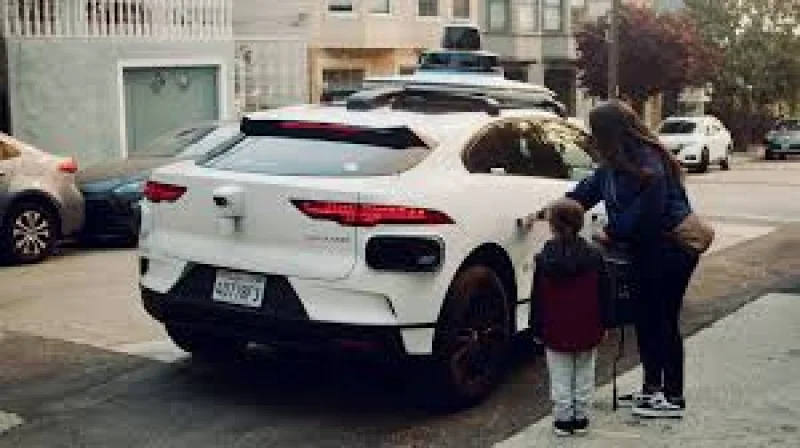
Uber plans to start robotaxi rides using Lucid vehicles in Los Angeles and the San Francisco Bay Area this year, Dara Khosrowshahi said on the company’s Aug. 5 earnings call. It is the clearest sign yet that Uber wants autonomous rides to move from promise to the app people already use.
The company said it plans to source up to 20,000 Lucid electric vehicles outfitted with self-driving technology, while also ordering 10,000 Rivian robotaxis with an option for 40,000 more. Uber said the Rivian vehicles would begin deployment in 2028, giving the company a staggered rollout that starts with Lucid and stretches years into the future.
The timing matters because Uber is not making this bet in a vacuum. Waymo already has a lead in robotaxi operations, and it has used Uber and Lyft in Nashville, Tennessee, to get riders used to driverless trips. Uber, meanwhile, is trying to build a business that can run on both sides of the market at once: human drivers for today’s demand and autonomous vehicles for what comes next.

That strategy also shows up in the way the two companies have moved around each other. Waymo robotaxis have been available through the Uber app in Atlanta and Austin, Texas, since 2025, but that partnership is expected to end in 2028. Uber and Waymo also dissolved their three-year partnership in Phoenix in May, a reminder that collaboration and competition can sit side by side in this business until the economics shift.
The pressure is not just commercial. Robotaxis have already been tied to incidents ranging from speeding past stopped school buses to driving into active crime scenes and flooded streets, and cities are weighing customer acceptance, labor pushback and regulation as more vehicles arrive. Frank McCleary said Uber is trying to protect its business and argued that Waymo has a strong lead, which is exactly why the Lucid and Rivian plans matter: Uber is spending into a field where it is still chasing the front-runner.
Khosrowshahi said last year that robotaxis could eventually bring in more revenue than human drivers, while also describing Uber’s goal as a hybrid future that combines the two in one marketplace. The unresolved question is how much of that future riders in Los Angeles and the San Francisco Bay Area will actually see this year, and how quickly Uber can turn a launch announcement into a service that feels real.
