


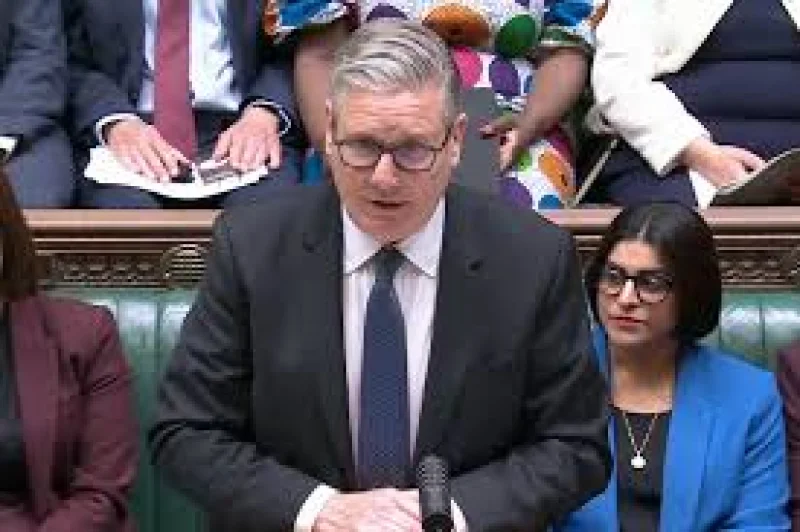
Keir Starmer rejected Nigel Farage’s charge of “two-tier policing” at Prime Minister’s Questions on Wednesday and accused him of trying to exploit the murder of Henry Nowak. The prime minister said the student’s family had asked people not to respond “in the way the leader of Reform has responded,” and added that this was a time for “serious work, not rage.”
The exchange landed as MPs grappled with anger after protests in Southampton, where 11 police officers were injured last night. Farage told the Commons that the “anger” seen there could grow worse if trust in the police breaks down, putting the debate squarely at the point where public grief, street disorder and confidence in policing meet.
Nowak’s death has become the latest flashpoint in a wider row over how police language and race-conscious policies shape decision-making. Police chiefs are reviewing the wording of the Police Anti-Racism Commitment document, which aims to ensure “equality of policing outcomes” and says not everyone should be treated “the same”. Starmer said the murder had raised serious questions about how accusations of racism had informed police thinking, but he dismissed the suggestion that Britain’s police forces were operating a two-tier system.
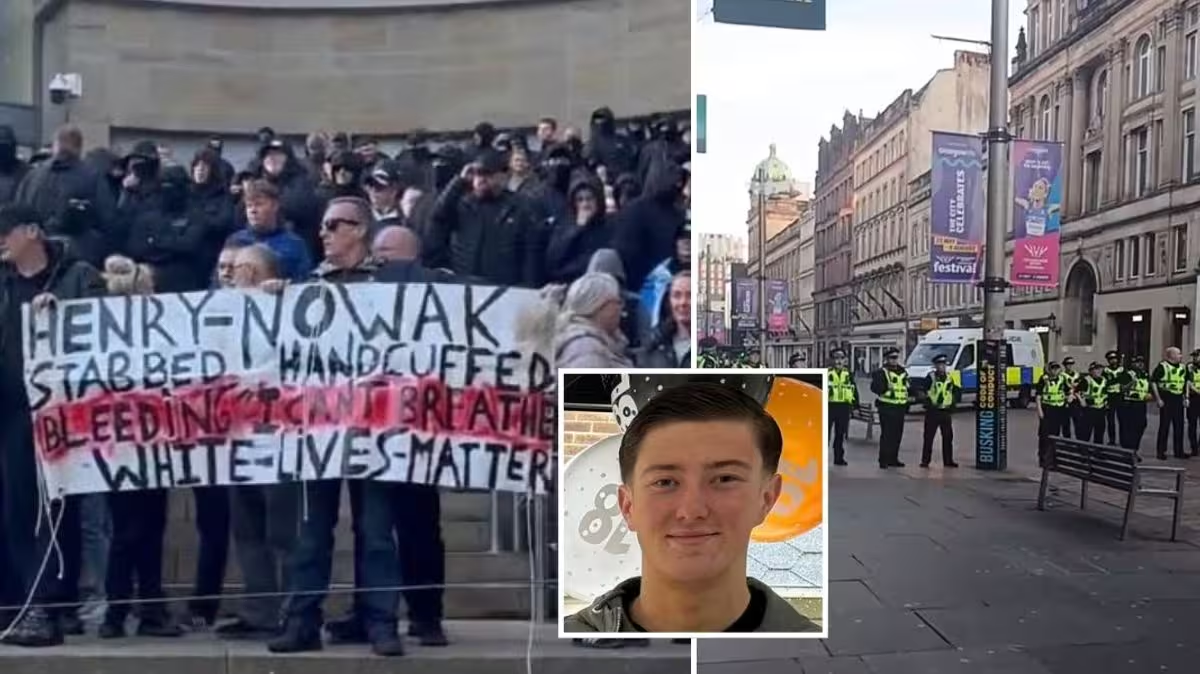
Farage pressed the prime minister to take action against what he called “two-tier policing”, while Starmer argued the reform leader was using the tragedy for political gain. The prime minister said attacks on officers in Southampton were “disgraceful and completely unacceptable” and warned there was no justification for further disorder. Henry Nowak’s family, meanwhile, had said they wanted his story “to help make our streets safer for everyone” and did not want his murder used to “create further division and tension”.
The family’s words gave the debate a sharp edge that politics could not quite blunt. Their appeal for restraint sat uneasily beside the scenes in Southampton and the accusations traded across the Commons, leaving one unresolved issue in the open: what specific police decisions or language in the handling of Nowak’s murder prompted the claim that the system treats people differently? That answer may matter more than the slogans now circling it, and it comes as the row over policing continues to sit alongside other pressure on the government, from welfare reform to the Conservatives’ complaints about the absence of a bill in the King’s Speech.
Elsewhere in PMQs, Kemi Badenoch said Nowak’s death “must be a wake-up call to the entire country and our institutions that every life matters”, then turned to welfare, questioning why there was no bill in the King’s Speech and citing a £20bn rise in costs since Labour came to office. Starmer said Labour had inherited a “broken system” and was trying to change it so universal credit no longer pushed people away from work. He also defended the government’s stance on business support, saying every pub would get 15% off business rates and that bills would be frozen in real terms for two years, while VAT on children’s meals in restaurants was being cut as part of savings set out two weeks ago.
The Commons exchange suggests the government is not trying to close the policing row so much as contain it. With police chiefs still reviewing the language around the anti-racism commitment and no deadline or outcome yet set, the next question is whether that review can calm the argument before it hardens into another test of public trust.
