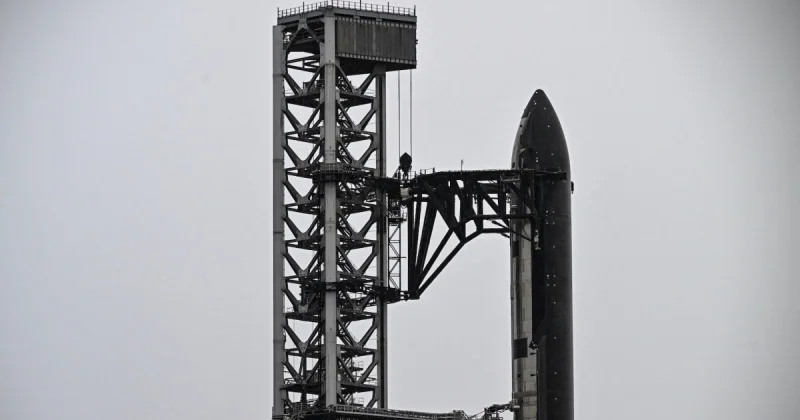
SpaceX is set to launch Starship Version 3 for the first time on Thursday from its Starbase site in South Texas, putting the biggest and most powerful version of the rocket yet on a suborbital test flight that is expected to last a little more than an hour. The starship launch window opens at 6:30 p.m. EDT, or 2230 GMT, with coverage beginning about 45 minutes before liftoff.
It will be the 12th Starship flight overall and the first in more than seven months. If all goes to plan, the Super Heavy booster will come down in the Gulf of Mexico about seven minutes after liftoff, and the Ship upper stage will splash down in the Indian Ocean off Western Australia 58 minutes after launch.

That matters because SpaceX is treating the test as the next step in a program that has moved from repeated failures to two straight successes. Starship first flew in April 2023 on a suborbital test that ended in an explosion not long after liftoff. SpaceX says Flights 10 and 11, launched in August and October of last year, were completely successful, with the booster steering itself to splashdown and the upper stage deploying eight dummy Starlink satellites on each flight before its own landing in the Indian Ocean.
For Flight 12, SpaceX plans to push the cargo demo farther. Ship is scheduled to deploy 20 dummy Starlink craft and two specially modified real Starlink satellites. The company says the satellites will test hardware planned for Starlink V3 and will try to scan Starship's heat shield and send imagery back to operators, data that will help determine whether the vehicle is ready to return to the launch site on future missions. The whole flight is expected to take a little over an hour if the sequence stays on schedule.
The shift from a vehicle that exploded on its debut to one that SpaceX now calls completely successful is the clearest sign yet of how far the program has come. Starship Version 3 is being developed to help humanity settle the moon and Mars, and NASA has selected it as one of the two crewed landers for the Artemis moon exploration program. Thursday's flight will show whether the company can keep that momentum going after more than seven months on the ground.