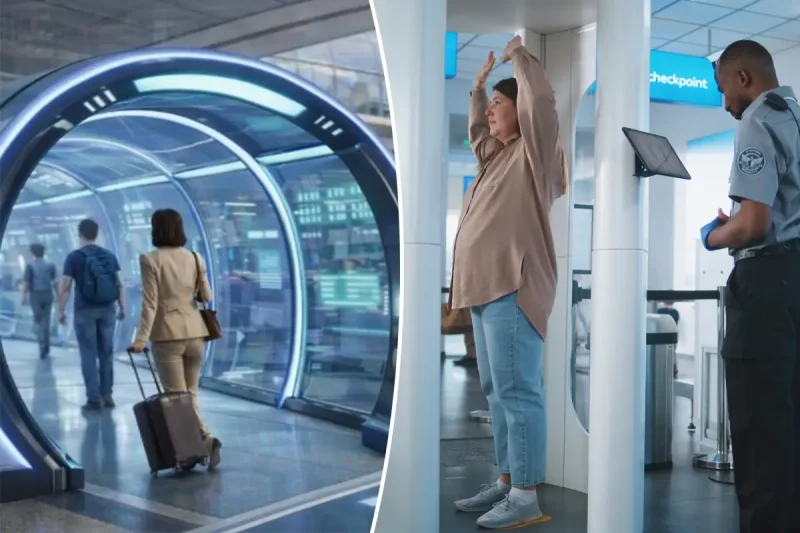
TSA Gold+ is moving from concept to procurement as the Transportation Security Administration seeks a new public-private model for airport screening, promising faster checkpoints and quicker technology upgrades while drawing criticism from travelers, unions and security analysts worried about privatization. The initiative would let participating U.S. airports opt into tailored screening operations run with private-sector partners under federal oversight.
TSA Gold+ Moves Toward Formal Launch
The latest development came with a pre-solicitation notice released May 15, followed by an industry meeting scheduled for May 21 at TSA headquarters in Springfield, Virginia. Written feedback on the draft framework is due May 25, giving contractors, airports and stakeholders a short window to respond before the agency decides how to proceed.
The draft plan describes TSA Gold+ as a modernization effort for select airports. It would use integrated, outcome-based contracts covering checkpoint screening, checked-baggage screening, staffing, technology deployment and maintenance.
Participation would be voluntary. Airports that do not opt in would continue using the standard TSA model, where federal transportation security officers operate screening lanes and the government manages equipment procurement and maintenance.
How The New Airport Screening Model Would Work
TSA Gold+ would go beyond the existing private-screening system already used at a small number of U.S. airports.
Under the current Screening Partnership Program, private contractors can employ airport screeners, but TSA still owns and buys the screening equipment. Gold+ would expand that contractor role. Private partners could manage both the workforce and the technology, including procurement, deployment, lifecycle upgrades and maintenance for checkpoint and baggage systems.
TSA would keep authority over security standards, inspections, audits, equipment certification and training requirements. That distinction is central to the agency’s argument: the screening experience could be privately operated, but the security rules would remain federal.
The model is also designed to be airport-specific. A large hub with complex passenger flows could receive a different screening setup from a smaller regional airport with limited space and seasonal traffic peaks.
Why TSA Is Pushing The Change Now
The timing reflects several pressures converging at once: rising passenger volume, aging screening equipment, higher workforce costs and the operational damage caused by recent federal funding disruptions.
TSA screened more than 900 million passengers in 2025, up sharply from a decade earlier. Staffing has not grown at the same pace, and equipment replacement has become more expensive. The agency has also faced long-term challenges replacing older baggage-screening machines with newer computed tomography systems.
The recent partial government shutdown added urgency. Tens of thousands of TSA employees were required to work without pay, checkpoint delays stretched for hours at some airports, and more than 1,000 officers left the agency during the disruption. Airports using private screening contracts were less exposed because those contracts were pre-funded.

Gold+ is being presented as a way to reduce that vulnerability, speed up technology refreshes and use private capital to modernize systems that can otherwise be slowed by annual federal budget fights.
Travelers May See Faster Lines, But Not Everywhere
For passengers, the most visible promise is faster airport security. TSA says Gold+ airports would be able to deploy new technology more quickly and tailor lane operations to local traffic patterns.
That could mean better staffing during peak travel banks, faster maintenance when machines fail, improved real-time performance monitoring and more flexible checkpoint designs. The agency has also said travelers should not face added costs for staffing, equipment or maintenance under the program.
But the effect would not be universal. No Gold+ airport has been formally announced, and the program would apply only where airports choose to participate and contracts are awarded. Travelers could eventually see different checkpoint experiences depending on the airport, raising questions about consistency across the national aviation system.
The program is also separate from TSA PreCheck and CLEAR-style identity services. Gold+ is about who operates and equips screening lanes, not a new paid passenger shortcut.
Critics Warn Of Uneven Security Standards
The sharpest criticism centers on whether private contractors could create uneven performance across airports or make safety vulnerable to cost-cutting.
Union officials and privatization skeptics argue that airport screening is a national security function, not a service that should be shaped by commercial incentives. Their concern is that contractors under pressure to meet cost targets could understaff lanes, push employees harder or prioritize speed over careful screening.
TSA’s framework attempts to answer that concern by keeping federal oversight in place. The agency would still set standards, inspect operations and certify equipment and procedures. Contractors would also have to show financial stability, staffing plans, surge capacity, training processes and credible technology proposals.
Even with those safeguards, the public debate is likely to intensify. Airport screening is one of the most visible federal security functions in daily life, and any shift toward private management is likely to draw scrutiny from Congress, workers and frequent travelers.
What Happens Next
The immediate next step is industry feedback after the May 21 meeting. TSA will then decide how to revise the framework before issuing a formal solicitation, though no final contract date has been announced.
Major questions remain: which airports may volunteer first, whether large hubs will embrace the model, how contractors will be selected, and how TSA will measure whether Gold+ actually improves security and wait times.
For now, TSA Gold+ is not a nationwide replacement for federal airport screening. It is a voluntary pilot-style expansion of private-sector involvement at select airports. The proposal’s success will depend on whether it can deliver faster lines and newer technology without weakening the uniform security standards travelers expect every time they fly.