


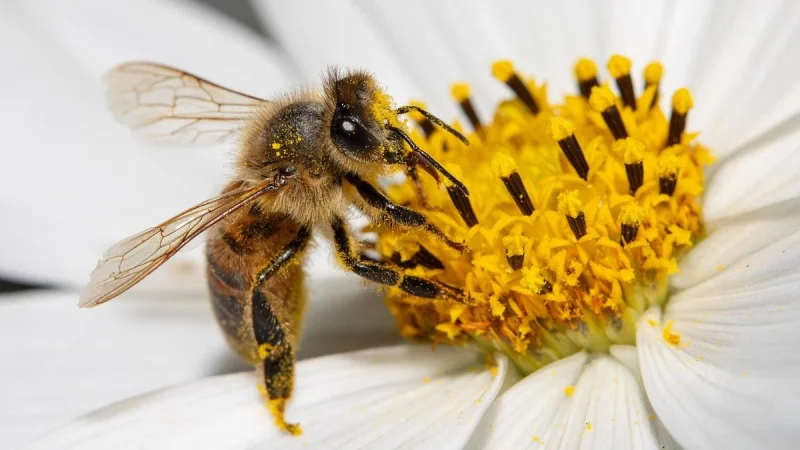
World Bee Day celebrations will take over Perth’s Murray Street Mall on Wednesday 20 May, with a display running from 8am that will put honey, hives and biosecurity in the spotlight. Visitors will be able to watch beekeeping demonstrations, learn how to create bee-friendly gardens and speak with local beekeepers.
The event will also give people a chance to taste and buy premium West Australian honeys, including jarrah, karri and marri varieties, as organisers look to turn a public celebration into a showcase for one of the State’s most closely watched industries. The display is being hosted by the Department of Primary Industries and Regional Development in partnership with the Bee Industry Council of WA and the Agricultural Produce Commission’s Beekeeper Producers Committee.
Gerard Leddin said the day was an important chance to recognise what bees do for agriculture and biodiversity, and he pointed to WA’s jarrah forests as the reason the State produces jarrah honey at all. “Thanks to WA’s unique jarrah forests, our beekeepers and their hardworking bees produce the much-loved jarrah honey,” Leddin said, adding that the honey is exclusive to Western Australia and that its flavour is winning attention in global markets.

That pitch matters because World Bee Day is not just a celebration of honey. The display will also carry information on preventing the spread of exotic bee pests and diseases, a message that has grown sharper as Western Australia remains one of the few regions in the world still free from the destructive varroa mite. Leddin urged beekeepers to inspect hives regularly and report concerns early, and visitors will be encouraged to download the free MyPestGuide app to send biosecurity concerns directly to DPIRD.
For the industry, the event is meant to do two things at once: draw people in with tastings and demonstrations, then leave them with a reason to buy local honey and protect the bees that make it possible. Mikey Cernotta said people could support the sector by buying honey from their local beekeeper, planting bee-friendly plants in the garden, trying a recipe using premium WA honey or hosting a morning tea featuring food made with local honey. “If it’s local honey, you know you are getting some of the best honey in the world, and more importantly, you are supporting our local beekeepers,” Cernotta said.
In a city mall on a Wednesday morning, the message will be simple and practical. Honey is the lure, but the deeper aim is to keep WA’s bee industry healthy, its biosecurity tight and its jarrah honey on the table.
