


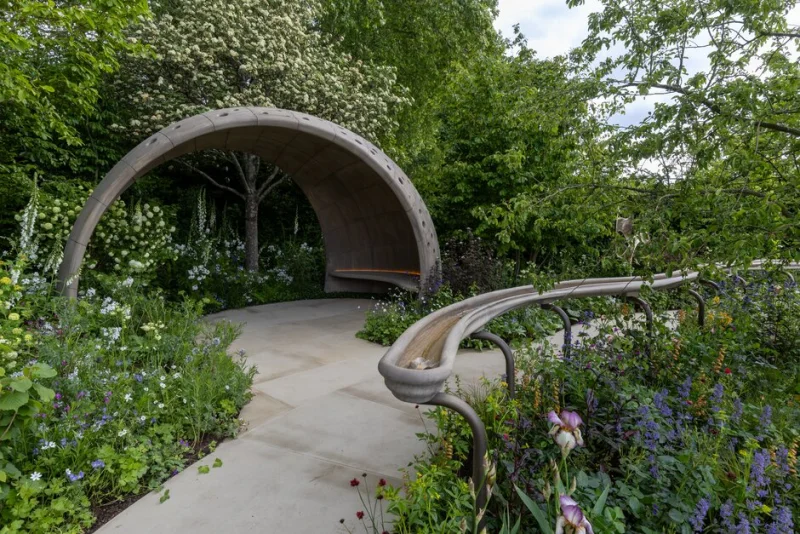
The RHS Chelsea Flower Show 2026 has opened in London with a royal-backed feature garden, a rare return of decorative gnomes and a high-profile role for Alan Titchmarsh in one of the event’s most talked-about displays.
The show runs from Tuesday, May 19, to Saturday, May 23, at the Royal Hospital Chelsea, bringing together leading garden designers, plant specialists, charities and public figures for one of the world’s most influential horticultural events. This year’s edition places particular emphasis on sustainability, biodiversity, health, community gardening and the ways people can make outdoor spaces more resilient in a changing climate.
RHS Chelsea Flower Show 2026 Opens With A Royal Focus
The most prominent early attraction is the RHS and King’s Foundation Curious Garden, designed by Frances Tophill and championed by King Charles III, Sir David Beckham and Alan Titchmarsh. The garden is intended to encourage curiosity about plants, wildlife and hands-on gardening, especially among people who may not see themselves as experienced gardeners.
King Charles and Queen Camilla visited the show before the wider public opening, giving the garden added attention during Chelsea’s preview period. The display includes playful touches designed to make the space approachable rather than formal, while still reflecting the show’s long-standing reputation for horticultural precision.
The Curious Garden also features symbolic details connected to Beckham, including a series of beds linked to his famous shirt number and a new rose bearing his name. Its wider message is less about celebrity and more about access: gardening as something families, schools and communities can try without needing a grand estate or professional training.
Alan Titchmarsh Adds Authority To The Curious Garden
Alan Titchmarsh’s involvement gives the project immediate credibility with British gardening audiences. For decades, he has been one of the country’s most recognizable horticultural broadcasters, known for translating practical gardening advice into language that feels accessible to beginners.
At Chelsea, that role is significant. The show is often associated with elite design, expensive builds and specialist planting, but the RHS has increasingly tried to broaden its public appeal. Titchmarsh helps bridge those worlds: he understands Chelsea’s standards while speaking to viewers and visitors who want ideas they can use at home.
His presence alongside Tophill and Beckham also reflects a deliberate mix of expertise and mainstream reach. Tophill brings the design leadership, Titchmarsh brings horticultural trust, and Beckham brings an audience that may not normally follow the flower show closely.
Gnomes Return In A Rare Break With Tradition
One of the most unexpected features of the 2026 show is the return of garden gnomes, long restricted at Chelsea because of the event’s traditional design rules. Their appearance this year is rare and deliberately framed as a playful exception rather than a permanent shift in policy.
Decorated gnomes linked to public figures and garden personalities are being used to raise money for school gardening work. The idea is simple: use a familiar, slightly cheeky garden symbol to support children’s access to plants, outdoor learning and growing spaces.

For some Chelsea purists, gnomes may feel out of place at a show known for carefully judged planting and high-concept design. For the RHS, the move fits a broader effort to make gardening feel less intimidating and more inclusive. The contrast is part of the point: Chelsea can still be serious about plants while allowing a little humor onto the showground.
Sustainability And Health Shape This Year’s Gardens
Beyond the royal and celebrity attention, the 2026 show reflects major trends across modern garden design. Many gardens focus on climate resilience, biodiversity, recycled materials, urban greening and the mental and physical benefits of time spent outdoors.
Several displays are connected to charities and public-health themes, including gardens linked to neurological conditions, women’s health, young people’s wellbeing and community recovery. These gardens are not only built for the showground; many are designed with a future life elsewhere, moving after Chelsea to hospitals, schools, charities or community spaces.
That legacy model has become an important part of the event. It answers a longstanding criticism that show gardens can be temporary spectacles with little practical impact. By planning relocation from the start, designers can use Chelsea’s visibility to support longer-term public benefit.
What Visitors Can Expect At Chelsea This Week
The first two days of the show are reserved for RHS members, with wider public access later in the week. Tickets are already sold out, making television and streaming coverage the main way many viewers will experience the event.
Visitors can expect the usual mix of show gardens, smaller sanctuary spaces, balcony and container gardens, houseplant displays, nursery exhibits and plant-of-the-year attention. The strongest displays are likely to be those that combine visual drama with practical lessons: drought-tolerant planting, wildlife habitats, shade solutions, edible gardening and small-space design.
The show also extends beyond the main grounds through floral installations across Chelsea, turning the surrounding area into a wider celebration of gardening, design and spring tourism.
Why Chelsea Still Matters
The RHS Chelsea Flower Show remains influential because it shapes what gardeners, designers, retailers and broadcasters talk about for the rest of the year. Planting styles seen at Chelsea often filter into public parks, private gardens, balconies and even supermarket plant ranges.
The 2026 edition shows how the event is trying to balance prestige with accessibility. Alan Titchmarsh’s role, the King’s Foundation collaboration, the Beckham-backed feature garden and the return of gnomes all point toward a show that wants to feel less remote without losing its authority.
For the RHS, the challenge is to keep Chelsea aspirational while making its ideas useful beyond the showground. This year’s emphasis on curiosity, children’s gardening, sustainability and health suggests that the future of the event may depend not only on spectacular flowers, but on whether it can persuade more people to start growing something of their own.
