


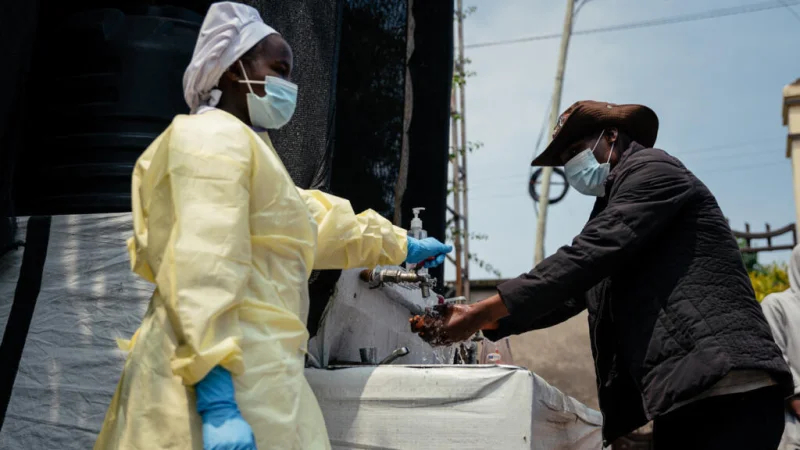
The 2026 Ebola outbreak in eastern Democratic Republic of Congo and Uganda has escalated into an international health emergency, with more than 118 deaths reported in Congo, additional confirmed cases in Uganda and urgent containment measures now under way across the region and beyond.
Rare Bundibugyo Strain Raises The Stakes
The outbreak is caused by the Bundibugyo virus, a rare Ebola species with no approved vaccine or specific antiviral treatment. That makes the response more difficult than outbreaks caused by the better-known Zaire strain, for which vaccines and therapeutics have played a central role in recent years.
Health authorities confirmed the virus after a cluster of severe illness and deaths among health workers in Ituri province, a volatile eastern region that borders Uganda and sits near South Sudan. The first known suspected case developed symptoms on April 24 and died in Bunia, one of the affected health zones.
Early testing initially failed to identify the strain, delaying confirmation and allowing the disease to spread for weeks before a full emergency response was activated. By May 19, cases had been linked to several locations in eastern Congo, including Bunia, Mongbwalu and other health areas where surveillance remains difficult.
Death Toll Climbs As Treatment Centers Open
Congo is opening three Ebola treatment centers in Ituri as officials try to isolate patients, trace contacts and expand care in areas already strained by insecurity and displacement. The confirmed and suspected toll remains fluid, but the latest figures include more than 300 suspected cases and more than 118 deaths in Congo.
The numbers are expected to change as investigators expand testing and case finding. Earlier official counts listed fewer confirmed cases but a large pool of suspected infections, a pattern common in the early stages of Ebola outbreaks when laboratory capacity, transport and field access are limited.
The region’s public health challenge is intensified by population movement, informal clinics, traditional care practices and the movement of bodies after death, all of which can increase exposure risk when infection-control measures are not in place.
Uganda Cases Show Cross-Border Risk
Uganda has confirmed imported cases in Kampala involving people who had traveled from Congo. At least one death has been recorded there, while Ugandan authorities have said they have not identified wider local transmission.
The cross-border cases were a major reason international health officials classified the outbreak as a public health emergency of international concern. That designation does not mean a global pandemic is under way. It signals that the event is extraordinary, carries a risk of international spread and requires coordinated action between countries.

Border screening, contact tracing and isolation protocols are now central to the response. Neighboring countries are considered vulnerable because of trade, family movement and informal crossings that can make conventional border controls incomplete.
U.S. Restrictions Follow American Case
U.S. officials confirmed on May 18 that an American working in Congo had tested positive for Ebola. The patient was being moved to Germany for treatment, while several other Americans were being transported for monitoring.
The United States has said the risk to the American public remains low, with no confirmed domestic cases linked to this outbreak. Still, enhanced travel screening and entry restrictions were introduced for certain foreign nationals who had recently been in affected countries.
Travelers to Congo and Uganda are being urged to avoid contact with sick people, blood, body fluids, bodies of people who died from suspected Ebola and health facilities involved in outbreak care unless they are part of the response.
Why This Outbreak Is Hard To Contain
Ebola spreads through direct contact with body fluids from a sick or recently deceased infected person. Symptoms can include fever, severe weakness, vomiting, diarrhea, abdominal pain, headache and unexplained bleeding or bruising.
The Bundibugyo strain has caused only a small number of known outbreaks since it was first identified. Historical fatality rates have varied, but past outbreaks have killed a substantial share of confirmed patients. Early supportive care — including fluids, electrolyte management and treatment of complications — can improve survival, but it is harder to deliver in remote or insecure settings.
Eastern Congo has faced years of armed conflict, mass displacement and weak health infrastructure. Those conditions can slow contact tracing, complicate ambulance movement and reduce trust between communities and response teams.
What Happens Next
The immediate priorities are clear: identify cases faster, isolate infectious patients, protect health workers, monitor contacts for 21 days and strengthen border surveillance. Health agencies are also assessing candidate medical countermeasures, but no approved Bundibugyo-specific vaccine or treatment is available now.
The outbreak’s trajectory will depend on how quickly teams can close the gap between suspected cases and confirmed infections. A rising toll in the coming days would not necessarily mean control efforts are failing; it may also reflect improved detection after weeks of undercounting.
For now, the 2026 Ebola outbreak remains a serious regional emergency with international implications, but health officials continue to emphasize that rapid isolation, careful contact tracing and community cooperation can still limit wider spread.
