


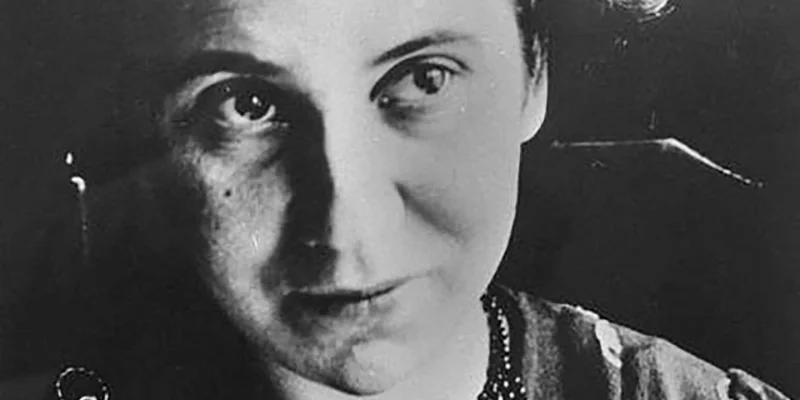
Hagai Levi wants the diaries of Etty Hillesum in schools, and he says his new series about her is meant to speak directly to young viewers. Levi said people can identify with Hillesum and better understand what was happening around her, as Arte prepares to show Etty from 21 May 2026.
The series is not being framed by Levi as a Holocaust drama. Instead, he says it is about how one can lead a life in difficult times, and he argues that Hillesum offers a way in for viewers who may not otherwise connect with history on the page. In his words, the diaries are “a great access to that time,” and he believes young people in particular can see themselves in her experience.
That matters because Hillesum’s story is rooted in a century that still shapes Europe’s memory. Born Esther Hillesum in 1914 in Middelburg in the Netherlands, she grew up in a Jewish family and was raised with little religion. In spring 1941 she met the psychoanalyst Julius Spier, and a love relationship later developed. Spier is said to have urged her to keep a diary, and the notebooks became the basis for the work that still draws readers today.
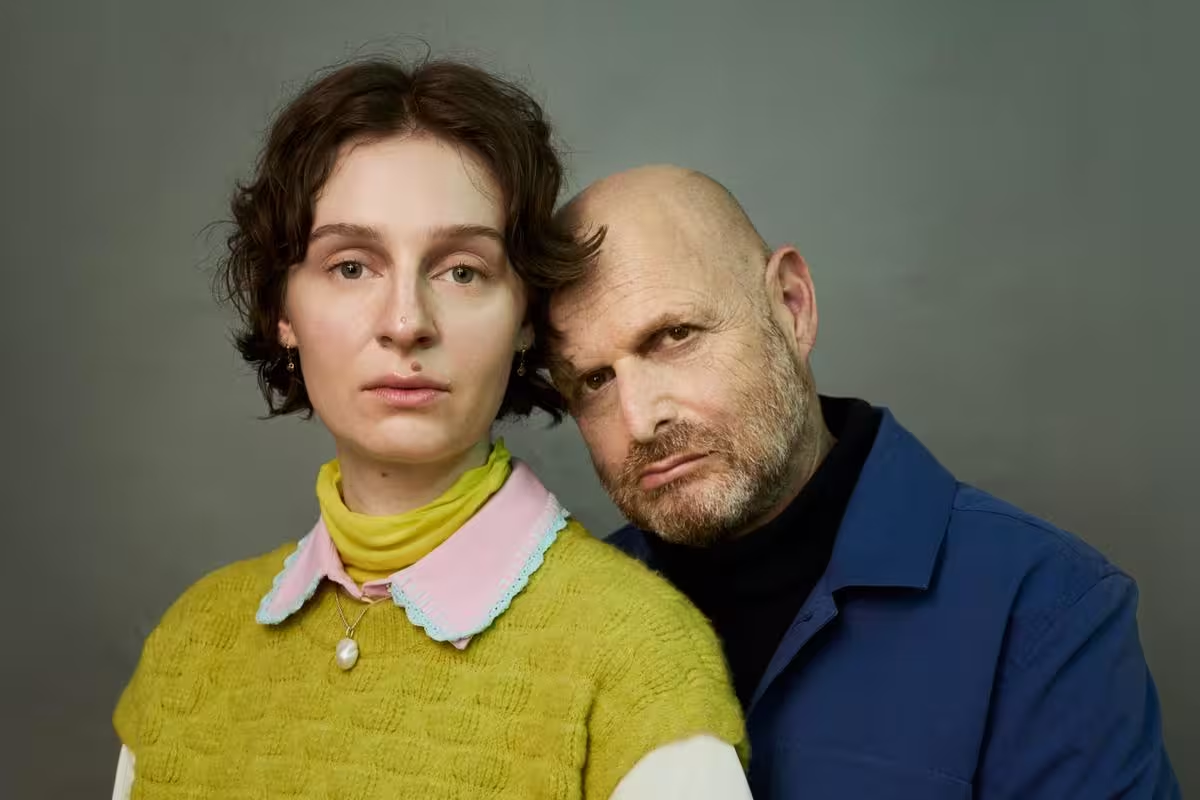
Levi’s comments place the project in a present-day register as much as a historical one. He says people today rely completely on feedback from outside, and that the aim is to become less influenced by the outside world and more focused on oneself. He also said he fears “that something like this could happen again,” a warning that gives the series a sharper edge without turning it into a lesson delivered from a distance.
Hillesum’s wartime path was brief and devastating. In 1942 she signed up for the “Soziale Versorgung der Aussiedler” in the Westerbork camp, and in the following year she was deported to Auschwitz-Birkenau. She was murdered in Auschwitz in 1943, at 62 years old. The diary writer who left behind a record of trying to stay inwardly free under pressure is now being brought to screen by Levi, with Sebastian Koch among those attached to the project.
The broader tension is simple: Levi insists Etty is not a Holocaust series, yet the force of Hillesum’s life comes from the machinery that destroyed it. That balance may be exactly what makes the adaptation workable. A story about survival, self-knowledge and moral pressure can reach audiences in a way a more conventional war drama often does not, especially when the central figure is a young woman writing herself through fear rather than being reduced to it.
Levi’s approach answers the question behind the project’s timing. He is not asking viewers to revisit the past only to mourn it. He is asking them to look at Hillesum and see a guide for living under strain now. If the series lands as he intends, the result will be less a memorial than a challenge: to read her, to watch her, and to decide whether modern life has really made people any better at hearing themselves.