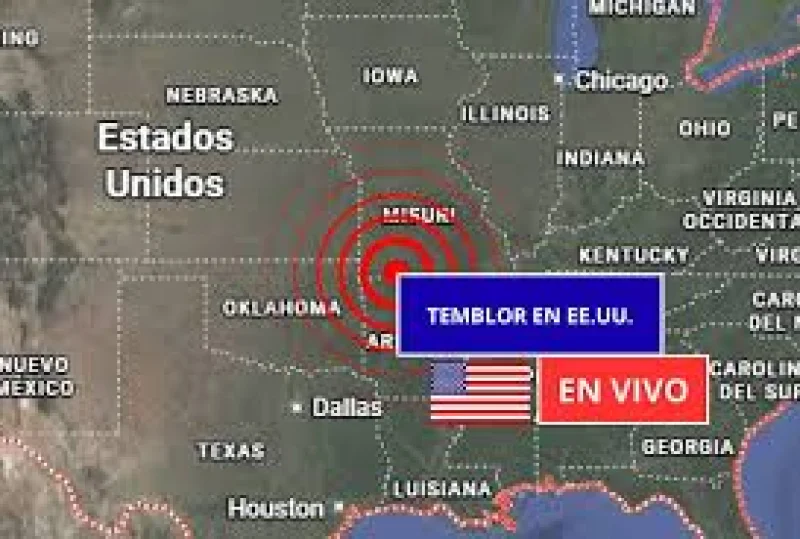
The USGS published its live report of the latest earthquakes in the United States on Thursday, Nov. 26, 2026, keeping the public’s view of seismic activity current in real time. The update lets readers check the exact time, magnitude, depth and epicenter of each event as it is recorded.
That matters because the United States is under constant seismic watch, with activity ranging across California, Alaska, Hawái, Nevada, Texas, Nueva York, Nueva Jersey and Washington D. C. The same live system also highlights why people search for Epicenter now: the official feed is the fastest way to see what moved, where it moved and how strong it was.
Latest Earthquakes and ShakeAlert add another layer to that picture. One offers interactive maps; the other can warn people seconds before they feel a tremor. In practice, that means the public can follow the official record and get an early signal at the same time, instead of waiting for a later summary.

There is still a limitation at the center of the live feed. The monitoring is immediate, but the report available for Nov. 26 does not identify the most recent quake by location in this text, so the exact epicenter of the last event cannot be pinned down here. That gap is the point of the update: the system is live, but the specific last quake remains the detail readers still need.
The broader context is familiar, but the timing is what makes this report useful today. Earthquakes in the United States vary widely through the year, and damage usually does not begin until a quake rises above 4 or 5. Larger events can also set off other quakes farther away through dynamic stress transfer, which is why official monitoring stays active. For readers comparing seismic coverage, the same kind of fast-alert reporting is what makes a story like Epicentro Temblor Hoy Colombia: sismo de 5.6 sacude Chocó y se siente en varias regiones so closely watched.
For now, the most important fact is not a finished tally but a live one: the USGS continues to refresh the record as new tremors are detected, and the next meaningful update is simply the next quake that appears in the feed.