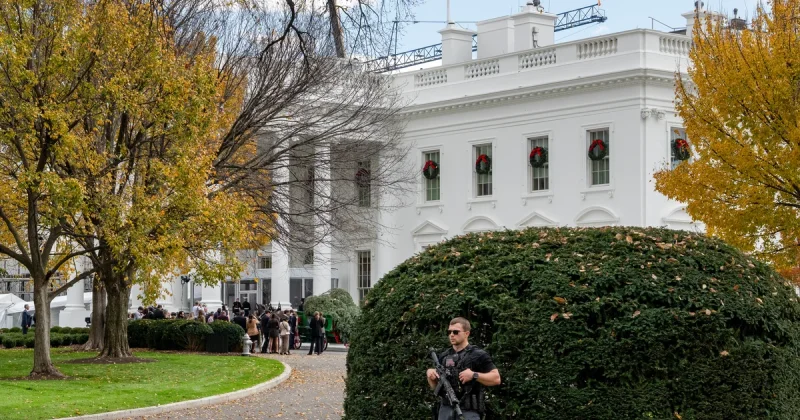
The White House has sent lawmakers a list of funding exceptions it wants folded into anticipated stopgap legislation, sharpening the fight over how to keep the government running past the Dec. 11 shutdown deadline. The list was obtained by Government and includes proposed anomalies, the term used for spending exceptions and authority extensions.
That request lands now because the short-term bill is no longer an abstract backup plan. It is the vehicle lawmakers would have to use if they want federal operations to continue without interruption after Dec. 11, and the White House is pressing to shape its terms before that deadline arrives.
Among the proposals is updating the legal definition of intoxicating hemp, a reminder that these lists are not just about keeping the lights on. They can also carry policy changes or temporary authority extensions that agencies want resolved before the next funding lapse forces them into limbo.

The White House move also puts its own priorities into a broader fight over the length of the next spending patch. Democrats have pushed for a continuing resolution running through sometime early next year, while some Republicans are hoping they can still pass some full-year funding bills. Those two positions point in different directions: one toward a longer stopgap, the other toward trying to finish parts of the budget work instead of pushing everything into the same temporary bill.
That is why the exceptions list matters. If lawmakers accept the White House request, the stopgap legislation would do more than extend funding by keeping agencies open; it would also preserve selected authorities and carve out certain spending rules for a limited period. If they do not, the government could still be funded on a bare-bones basis, but without the extra adjustments the White House has now put on the table.
The next step is in Congress, where the shape of the bill will show whether lawmakers are willing to pair a shutdown-avoidance measure with those exceptions or try to move toward broader funding bills instead. Either way, the White House has made clear it wants those anomalies considered before Dec. 11.