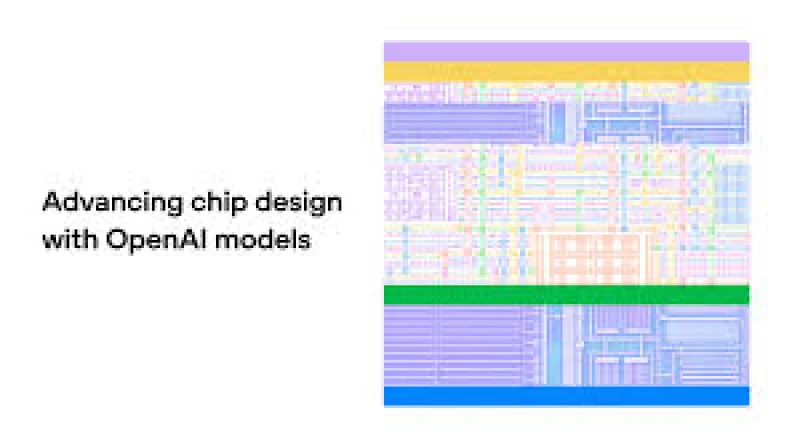
OpenAI said its models helped AMD improve a flagship chip design by up to 14% in power, performance and area, a result that pushed AMD shares higher after the regular session and gave investors a fresh reason to watch the company closely. Lisa Su responded by praising the work on X, saying AMD and OpenAI engineers were pushing the frontiers of chip design together.
The market had already been leaning that way. AMD rose more than 0.3% in overnight trading after a 5.3% gain in the regular session, while retail sentiment on Stocktwits was bullish late Wednesday, a sign that traders were treating the chip-design claim as more than a technical footnote. The move came the same day OpenAI and Advanced Micro Devices publicly hailed the collaboration.
What made the announcement stand out was not just the size of the improvement, but the speed. OpenAI described the effort as roughly a year of chip-design progress compressed into less than five months, and Greg Brockman said the same models had delivered roughly an additional year of progress on AMD's chip in that span. He also said some of those results were already included in a design that had recently been taped out.

The work centered on rewriting SystemVerilog, the code used to describe chip circuits, and the models proposed changes to circuitry that calculates, controls operations and moves data. Those checks were run with Synopsys electronic design tools. AMD had already sent some of the model-designed changes for manufacturing, which is the clearest sign the project moved beyond a lab exercise and into physical chip development.
Still, the biggest unanswered question is the simplest one: which design changes actually drove the reported 14% gain. OpenAI called the results unprecedented, but it did not break out which tweaks mattered most, and that leaves the claim impressive but incomplete. The company said it had used similar processes to optimize its own custom inference chip, Jalapeño, and is now applying the approach to third-party hardware, suggesting this is meant to be a repeatable method rather than a one-off stunt.
For AMD, the significance is immediate. The company is now tied not just to a performance headline, but to a faster design cycle that could become a selling point if the gains hold through manufacturing and testing. For now, the next thing readers need to know is whether the taped-out changes translate into a chip that performs the way the models promised, because that is where AMD news stops being a collaboration story and starts becoming a product story.