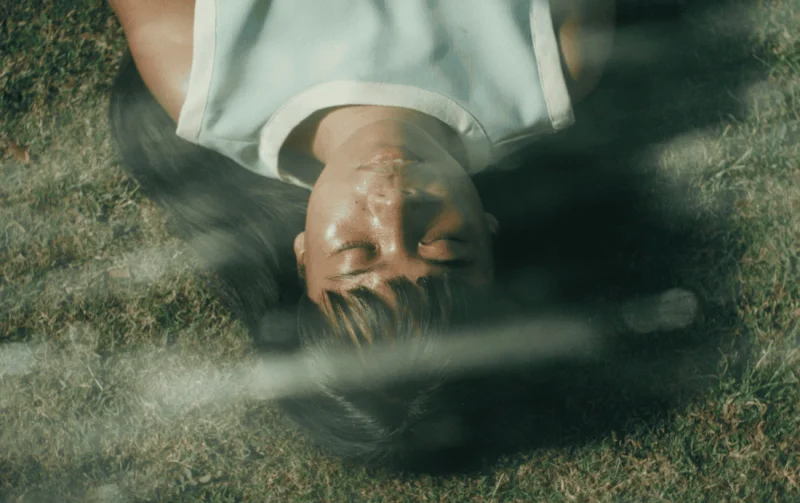
Soho House screened Rafael Manuel’s debut feature Filipiñana on November 17, 2026, and the filmmaker used the post-screening Q&A to unpack how he built its world of power, movement and restraint. The film, which won the Special Jury Award for Creative Vision at the 2026 Sundance Film Festival, centers on Isabel, a 17-year-old girl from Ilocos who works as a tee girl at a golf club outside Manila.
Manuel said the film’s 4:3 frame was not just a stylistic choice. Shooting that way, he told the audience, gave him verticality, and that verticality became a way to show hierarchy and control. In his telling, golf carts, groundskeepers and synchronized dance all become part of the same visual language, with motion doing work that dialogue often does not.

That emphasis fits a film that opens with crowds in Manila pleading for water before cutting to sprinklers soaking the country club grounds. Filipiñana keeps its focus on the divide between those inside the club and those who serve it, and Manuel said he began shaping sound seriously after taking a sound design course in high school. He also pointed to the personal roots of the project: Golf Depot is his parents’ company, he said, and he first encountered the golfing world at age four. For him, making the film was a way to speak to them, even if, as he put it, there is a lot of love there but not that much talking.
That personal thread gave the Q&A its sharpest edge. Some viewers wanted Isabel to answer violence with violence, especially against Dr. Palanca, but Manuel pushed back. One vengeful act, he said, would not break the cycle. The film, he argued, is interested instead in acts of salvation, and in an arc that moves Isabel toward wisdom and action rather than a clean revenge ending. He described Clara’s path as the opposite, a slide into slumber, inaction and emptiness.
Filipiñana’s next step is less clear than its reception. Kino Lorber distributed the film, and executive producer Jia Zhangke’s name gave it added weight in the room, but the Soho House event did not announce any new release date or follow-up screening. What the audience got on November 17 was the filmmaker’s own account of how the movie works: not as a revenge tale, but as a study of how power moves, who gets to move with it, and what it takes to interrupt that pattern.