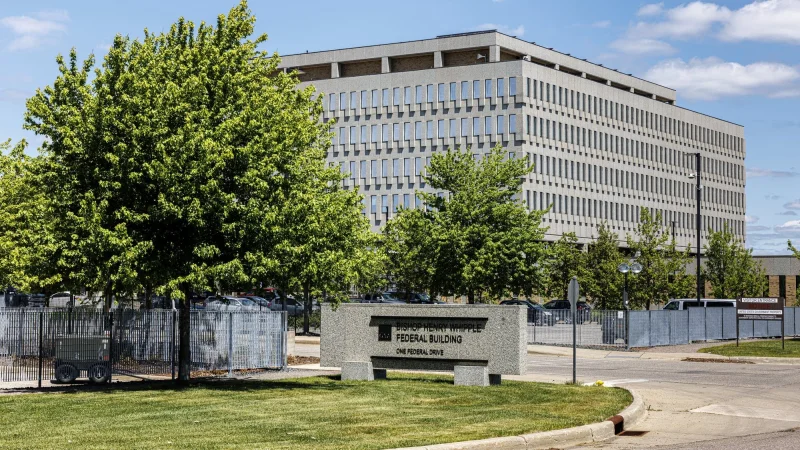
U.S. District Judge Charlotte Sweeney found ICE in contempt in Colorado on Tuesday after officials released Ramon Quintero Alvarez and then immediately arrested him again, violating her order that he be freed unless the government showed cause to keep him detained. The ruling put a hard stop on a practice the judge said turned a court order into something close to a joke.
Quintero Alvarez had been detained since February, and the court had ordered his release by October 28 unless the government justified holding him. Instead, Sweeney said, he was released, walked out to the lobby, went into a public area, and officers met him outside and rearrested him. He is a Mexico-born father of two who entered the U.S. in the early 1990s, and the case now stands as a direct rebuke of how ICE handled his freedom.
The judge’s order turned on more than one arrest. At a hearing on November 4, ICE official Nichole Black testified that she had been ordered to re-detain released detainees with some type of criminality. Black said she knew of about 10 such cases, and the court later said the figure had grown to 18. Sweeney wrote that the practice made a mockery of court orders mandating petitioners’ immediate release.

Black told the court she was acting on a direct order from deputy field office director George Valdez, who had received instructions from acting field office director Nathan Rasper. Rasper testified that he had told officials to consult ICE lawyers before trying to arrest someone again, to determine whether another arrest was lawful. He also said colleagues in Minnesota had told him people could be re-arrested after release, and that Black had misunderstood his instructions and they were not clear.
That clash matters because it leaves a narrow gap between claimed procedure and judicial defiance. Black said she believed it was permissible to escort someone to a public area and re-detain them despite a court order to the contrary. Sweeney did not accept that explanation. In a 15-page order, she said the conduct was knowing disobedience, found Black and the Trump administration in contempt, and still declined to impose further action.
The unresolved question is no longer whether the release order was ignored. It was. What remains is whether the administration changes course after being told the judge believes the conduct shocked the court and made a mockery of her orders. Rasper said he ordered the office to stop the practice after Black’s November 4 testimony and to release those who had already been re-arrested, but Tuesday’s ruling shows the court is not treating the episode as a misunderstanding that can be left there.