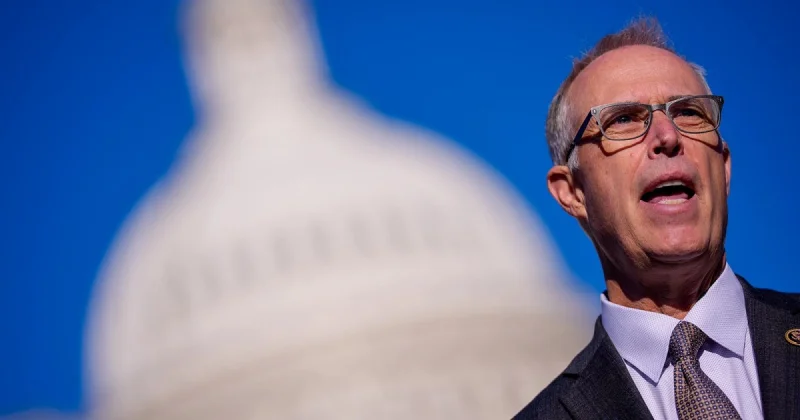
Jared Huffman sent preservation letters on Monday to 36 federal agencies and private companies after whistleblowers alleged that Interior Department officials had been destroying internal documents in anticipation of congressional oversight. The letters ordered recipients to keep documents, communications and other records tied to the House Natural Resources Committee’s investigations of the Trump administration.
That puts Bennie Thompson on a fast-moving preservation push at a moment when the committee’s role may matter more than usual. Huffman’s letters said the Trump Administration had repeatedly obstructed congressional investigations for two years by failing to provide the committee with information needed to carry out its oversight responsibilities.
The House Natural Resources Committee is not usually the loudest room in Washington, but it has authority over the Interior Department, which makes its records especially sensitive when lawmakers are looking into Trump-era projects. The committee could become more central if the incoming Democratic majority pushes for more information on those projects, including work tied to the ballroom, the Reflecting Pool overhaul and plans for a “triumphal” arch.

What makes the dispute harder to settle is that the denial came just as the preservation effort began. An Interior Department spokesperson called the whistleblower claims “100% false,” even though Huffman was already moving to secure records that could matter in any inquiry. That leaves the basic factual question unresolved: whether documents were actually destroyed, and if so, which ones.
This is not the first time the department has faced questions about recordkeeping. In August, reporting said Interior Department officials had routinely shredded official documents and used disappearing Signal messages, even for mundane scheduling matters, to avoid communications being preserved as required by the Federal Records Act. The new letters do not prove destruction happened now, but they show that lawmakers are acting as if the evidence could disappear before they get it.
For the moment, the next step is simple. The preservation orders are out, the denial is on the record, and the committee is trying to freeze what exists before the fight over what happened begins in earnest.