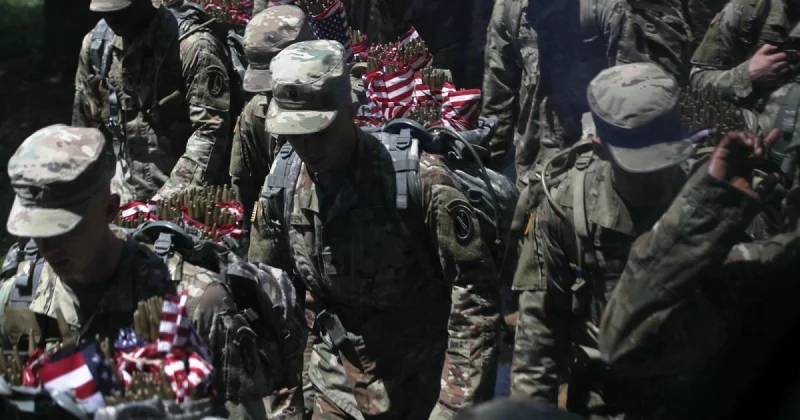
On the 107th anniversary of the first Veterans Day, the holiday lands at a moment when the U.S. military is being pulled in two directions at once: it has rebounded from pandemic-era lows, yet many service members say they feel abandoned and want out. That clash gives new force to the question of why do we celebrate Veterans Day now, not as a ritual, but as a test of what kind of service the country still values.
The numbers show why the military is not in crisis in the narrow recruiting sense. The armed forces broadly met or exceeded recruiting and retention goals for fiscal 2026 after a massive turnaround from the worst of the pandemic slump, helped by a cooling civilian job market, bigger junior pay, pre-enlistment academic and fitness preparation courses, and reorganized recruiting commands. But that recovery has not erased the strain felt by the 2.1 million Americans in uniform, especially as major overseas deployments and the war in Iran have pushed operational demands higher and left families living with long separations.
Those pressures are not abstract. The USS Abraham Lincoln and the USS Spruance were each deployed for more than 300 days, and the USS Spruance set a post-World War II record with 342 days underway. A brigade from the 82nd Airborne Division has already spent eight months in the region, and its soldiers were told the deployment will extend into next year. For the families waiting at home, Veterans Day is not a ceremonial pause. It is a reminder of how long the country can ask the same people to carry the load.

That is why Pete Hegseth’s approach matters so much to the people still serving. He says he wants to reform the military and build what he calls a “warrior ethos,” but his priorities have put him at odds with many inside the force. He has taken a hard line against diversity, equity and inclusion initiatives, fired senior female officers without cause, removed qualified women from promotion lists, and argued women should not serve in combat roles. The Pentagon also briefly removed a webpage devoted to Jackie Robinson’s military service and is reportedly considering removing Doris Miller’s name from a ship under construction.
The sharpest break came in September 2025, when Hegseth, accompanied by Donald Trump, summoned top military commanders from around the globe to Quantico, Virginia, and delivered a political lecture that mocked “fat generals,” facial hair and “dudes in dresses.” It was meant to signal discipline and resolve. Instead, for many service members, it reinforced the feeling that leadership is more focused on signaling than on the daily reality of deployment, family strain and retention.
That is the contradiction at the center of this Veterans Day: the military can hit recruiting targets and still struggle with morale, trust and staying power. The next test is whether the turnaround can last if the people already in uniform keep deciding that service is no longer worth the cost.