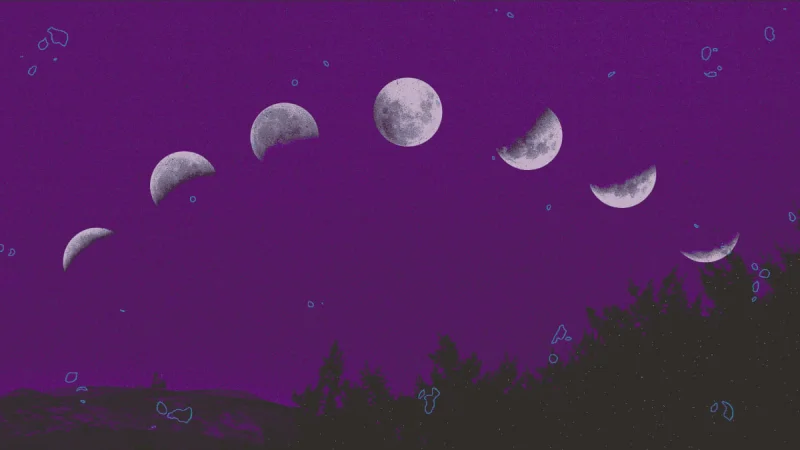
NASA's Daily Moon Guide tracker says the Moon is in the Waning Crescent phase on Friday, Nov. 6, with 16% of its surface visible. It is one of the last chances to study the Moon before the New Moon arrives.
That is why people searching what is today are getting a date-specific lunar update rather than a broad sky report. The Moon's phase changes as it travels around Earth, and the shift in sunlight produces the familiar cycle from New Moon to Full Moon and back again. The cycle takes around 29.5 days, which is why the view can change quickly from one night to the next.

For observers hoping to pick out surface detail tonight, the low-light view matters. The Grimaldi Basin can still be seen, but binoculars or a telescope are needed. At 16%, the Moon is thin enough that its lit edge stands out sharply, yet bright enough to leave a final window for viewing before it fades toward darkness.
That thin sliver is what makes the update feel urgent even with so little light left. The Waning Crescent is the stage just before the Moon goes dark again, and this one is being described as a last look at its surface before that happens. The next Full Moon will not come until Nov. 24, so the calendar has moved well past the bright phase and is now heading toward the start of another cycle.
As of Friday, the message is plain: tonight is for close viewing, not a full display. The Moon will keep moving through its cycle, but the cleanest chance to see it in this form is now, while the crescent is still visible and the surface is still catching enough light to be studied.