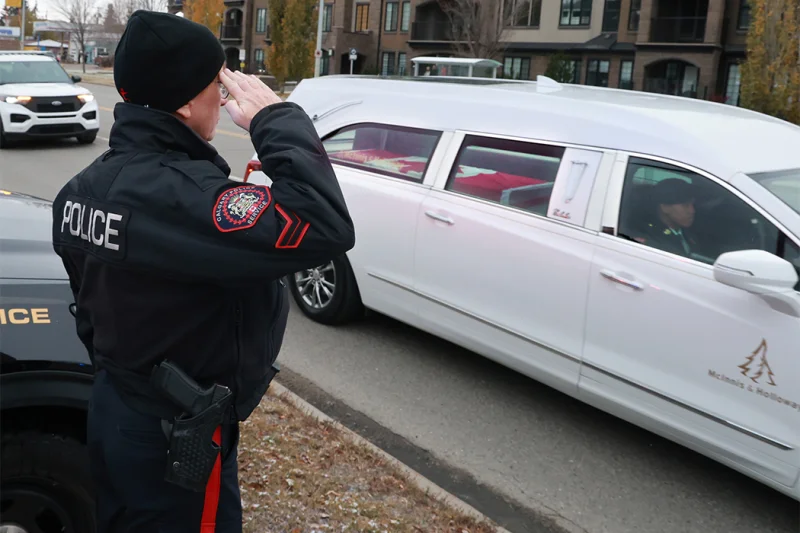
A letter published Oct. 19 put the deaths of four soldiers at Canadian Forces Base Wainwright at the center of a public act of remembrance. It named Pte. Shaun Farrell, Pte. Aidan Goulding, Pte. Hayden Lykkemark and Sgt. Morgan Wong, and said their service should not be forgotten.
The letter landed as Canadians are again being asked to think about Remembrance Day, when the country pauses for those who died in service. In that setting, Wainwright is not being treated as just a place name. It is shorthand for loss, injury and the cost of a life built around duty.
Bryan Brulotte wrote that the profession of arms demands courage, sacrifice and an acceptance of dangers that most Canadians will never face. He said military service is a conditional life, lived with the knowledge that duty may demand the ultimate sacrifice, and added that these volunteers do not serve primarily for money or even education, but to protect others.

He also said the terrible injuries suffered by many others should remind readers that the young Canadians who volunteer to defend the country accept risks most people will never know. That is where the letter’s force comes from: it calls them ordinary citizens who accept extraordinary responsibilities, then points to deaths and injuries that made those sacrifices visible to the public only after the fact.
The passage leaves the hardest question unanswered. It does not explain what happened at Canadian Forces Base Wainwright, only that four named service members died there and many others were badly hurt. What it does make clear is that, on Remembrance Day, Brulotte wants Canadians to honour those who died in service today as well as those who fell in past wars.
The item appeared on a National Post letters page, not as a full incident report, and it sat alongside a separate letter about Canada and the European Union seeking closer ties. But the Wainwright reference carries the weight here: it is a reminder that public gratitude often arrives after tragedy, not before it.