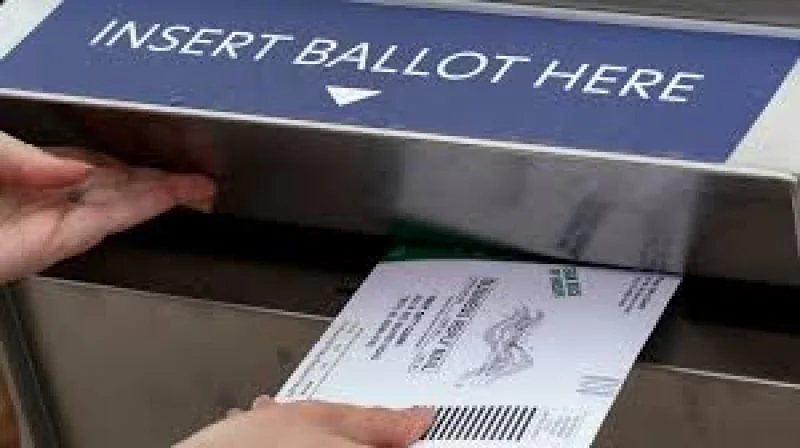
Michigan voters will decide on Nov. 3, 2026, whether to rewrite the rules on who can give money to politicians and party committees. Proposal 2 would bar utility companies, some government contractors, and people or organizations closely tied to them from making certain campaign donations, while also expanding disclosure requirements for political advertising.
For supporters, the measure is about cleaning up a system they say has been shaped by corporate money. Christy McGillivray said more than half a million people across the state signed the petition to put Michigan Proposal 2 on the ballot, and argued that the vote now gives Michiganders a chance to take government back from powerful corporate interests and end a pay-to-play system that, in her words, has dominated politics for too long.
The proposal is not a sudden idea. Michiganders for Money Out of Politics formed in July 2025, submitted a petition the next month to amend the Michigan Campaign Finance Act, and later turned in more than 560,000 signatures to the Bureau of Elections in May 2026. Two months later, the Michigan Board of State Canvassers certified the votes, and the Michigan Supreme Court allowed the measure to be placed on the ballot in September 2026.

The ballot drive also exposes a larger fight over where political money should flow. Protect MI Free Speech challenged the signatures before certification and argued that the proposal would strip businesses of First Amendment rights. On the other side, Katie Carey said the plan would not eliminate money in politics but would simply shift influence away from Michigan companies and toward wealthy national donors and special interests. That clash is now part of the campaign voters will see before they mark their ballots.
The measure could have become law with approvals from the state House and Senate, but while it received bipartisan support in the House, the Senate did not move forward. Senate Majority Leader Winnie Brinks said they wanted to leave it up to Michiganders. If voters approve Proposal 2, it would amend state campaign-finance rules and impose donation limits and disclosure requirements on a wide circle of donors tied to utility companies and large contractors. If they do not, the current system stays in place, and the fight over corporate money in Michigan politics moves back to the Legislature and the courts.
MMOP has pointed to utility companies such as DTE Energy and Consumers Energy in making its case, citing recent rate hikes approved by the Michigan Public Service Commission. In October, the commission OK'd a $139 million increase for Consumers Energy, more than 40% lower than what the company originally sought. For voters, the question on Nov. 3 is no longer abstract: it is whether to narrow the political reach of companies that already shape daily bills and public policy, or keep the rules as they are.