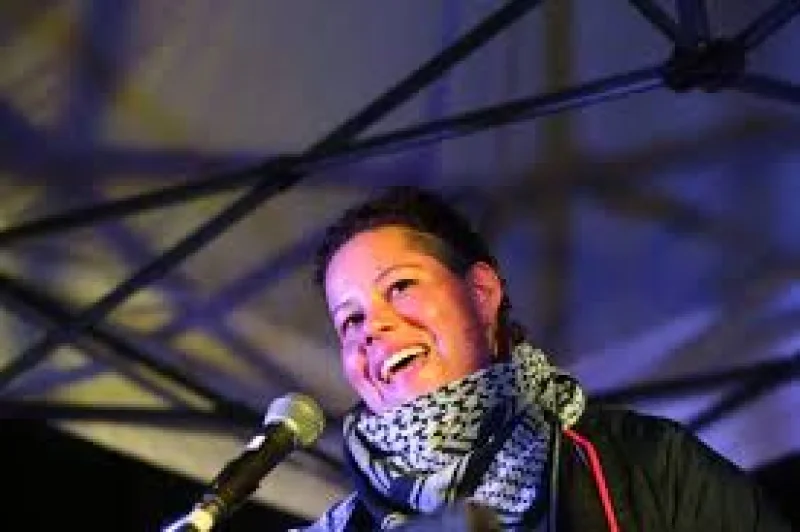
The Indiana ACLU is facing a public break over its direction after Sheila Suess Kennedy said the affiliate hired Nikkita Oliver as executive director and that the move marked a collapse of its civil-liberties mission. Kennedy, who led the group from 1992 to 1998, said some current board members have already resigned.
The timing matters because the dispute is not about abstract philosophy. It is about who the ACLU is willing to represent now. Kennedy said Oliver's career has been rooted in activism and movement lawyering, not civil liberties, and said Oliver believed community organizers should decide which cases the affiliate's lawyers would take. That, she argued, is a break from the organization she once led.
Kennedy tied her criticism to the ACLU's core purpose. She said the mission is constrained activism on behalf of liberties protected by the Bill of Rights, not a filter for preferred politics. In her view, anyone who does not understand and support that mission should be working somewhere else, and she said people who fail to defend civil liberties for all citizens do not belong on an ACLU board.

She pointed to a case from her own time in charge to show what she means. The Indiana ACLU represented the KKK after the group petitioned to hold an event on the Statehouse steps and was denied permission. Kennedy said the affiliate had only three employees then: the legal director, herself and a secretary she described as Black. She said she was Jewish and that the volunteer lawyer on the case was gay. For Kennedy, the point was not sympathy for the Klan but the principle laid out by Oliver Wendell Holmes Jr.: free thought is for the thought that people hate, not just for ideas they like.
That is where the dispute turns from management to identity. Kennedy said activism has its place, but she also said Oliver remarked that the ACLU had been too pure on civil liberties and suggested that people with the wrong ideas could find representation elsewhere. She said that approach would shut the door on unpopular speakers before the organization ever gets to the hard work its name implies. The unresolved question is whether the board that chose Oliver intends to keep reshaping the affiliate around that model, or whether the resignations are the first sign of a larger fracture.
For readers following the broader debate over rights and activism, the fight echoes other civil-liberties disputes now surfacing in public life, including a recent ACLU report on AI road surveillance raises stop concerns. But Kennedy's complaint is narrower and more personal: that the Indiana affiliate has moved away from representing even the people most of its members detest, and that once that line is crossed, the board is no longer guarding the institution she once ran.