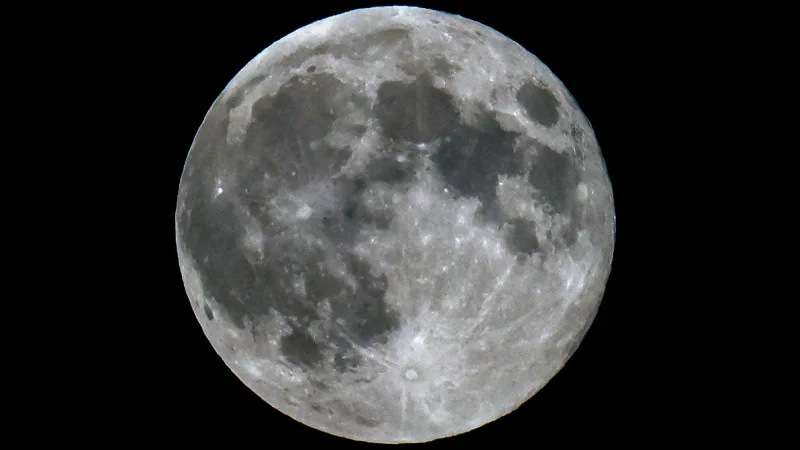
The October Hunter’s Moon will climb to peak illumination at 12:11 a.m. Monday, but skywatchers will get some of the best views much earlier, when the moon rises at sunset Sunday in the Boston area. Marianne Mizera said that around 5:45 p.m., the moon should hang low in the east with an orange-reddish glow.
That timing is why the full moon is drawing attention now: it is set to grace the night sky on Sunday, yet its exact peak comes just after midnight. Clear skies are forecast across New England, giving viewers a better shot at the full display after the Orionid meteor showers peaked last week and cloudy skies blocked much of the view in the Northeast.
The moon’s appearance is part of the old Hunter’s Moon pattern, the full moon traditionally named for the shift from September’s Harvest Moon to the hunt for game before winter. The bright moon rising soon after sunset once gave hunters extra evening light, allowing them to track game longer into the night. Indigenous peoples of North America have also known this moon as the Falling Leaves Moon, Freezing Moon, Migrating Moon and Drying Rice Moon.

There is a small catch in the timing that makes the night more interesting than the calendar suggests. The moon will be announced as Sunday night’s full moon, but the sharpest moment of fullness lands at 12:11 a.m. Monday, after the evening show is already under way. It will still appear full through Tuesday as it moves into its waning gibbous phase, so readers who miss the first view will have another chance the next night.
What comes next is the season of supermoons. The next two full moons, the Beaver Moon and the Cold Moon, will be back-to-back supermoons. A supermoon occurs when a full moon is at or near its closest approach to Earth, called perigee, during its 27-day elliptical orbit, and NASA says it can appear about 30 percent brighter and up to 14 percent larger than the faintest moon of the year. Supermoons happen only three to four times a year, and they appear consecutively, making the stretch from November and December the next highlight for moonwatchers.
For anyone watching Sunday evening, the main event is simple: look east around sunset, then keep watching as the moon rises, brightens and settles into its full phase after midnight. The weather may do the rest.