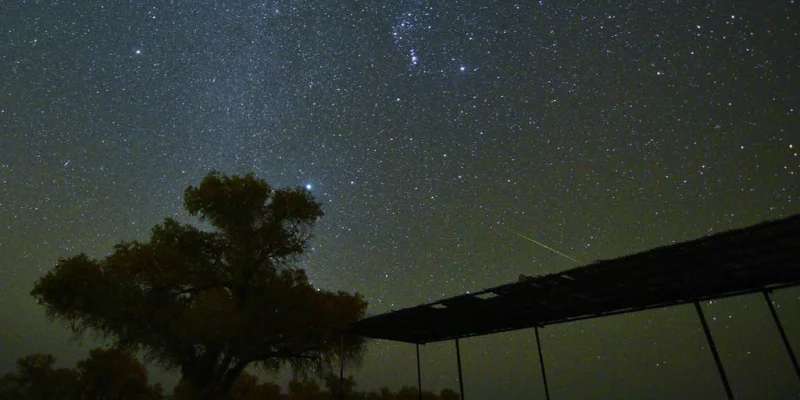
The Orionid meteor shower is expected to peak overnight from Oct. 21 to 22, giving skywatchers a narrow window to catch one of October’s most reliable displays. Mike Hankey, speaking to FOX Weather, said the month is seeing a surge in celestial activity, and this one is the event people will want to watch after midnight.
The best view should come after midnight, when the night sky is darker and the shower is visible from both the northern and southern hemispheres. Experts say the key is simple: get away from city lights and streetlamps. In that darker setting, the Orionids can stand out with quick, bright streaks that are hard to miss.

That brightness comes from speed. The meteors travel at about 41 miles per second as they enter Earth's atmosphere, and some can leave glowing trains that linger for seconds or even minutes. Others become fireballs and flash with unusual intensity. The shower happens every year when Earth passes through debris left behind by 1p/Halley’s Comet, and those comet bits burn up in the atmosphere, creating fiery and colorful streaks overhead.
1p/Halley’s Comet itself takes about 76 years to orbit the sun, which is why the Orionids are one of the few ways to see its legacy without waiting for the comet. The comet was last visible from Earth in 1986 and is expected back in 2061. For now, the peak overnight from Oct. 21 to 22 is the moment to watch, and the unanswered part is not whether the shower will arrive, but how clear the sky will be when it does.
Skywatchers in both hemispheres have the same task this week: find darkness, wait until after midnight, and look up before the peak passes.