ABC News is putting the Steven Zelich case back in front of viewers with a new 20/20 episode, “The Suitcase Murders,” airing Friday, Oct. 16 at 9 p.m. ET. The episode revisits the Wisconsin investigation that began when two women were found dead in suitcases along a rural road and follows the trail that led investigators through three states and into the FBI’s orbit.
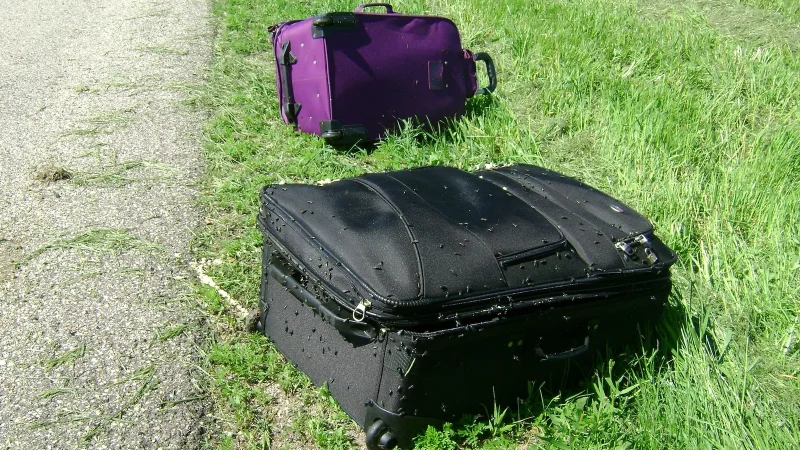
The timing matters because this is not a fresh arrest or a new court filing. It is a broadcast re-examination of a case that began in June 2014 with a scene first responders could not have been ready for. Eric Anderson said, “Nothing can prepare you for what you can see upon opening a suitcase and finding a corpse inside of it,” and the details were as grim as that line suggests: the first body was a decomposing woman, naked, bound with rope and curled in a fetal position, while a second suitcase held a black plastic bag with a woman’s hand protruding from it.
What made the case hard to solve was also what made it linger. Investigators found no identification at the scene, and extreme decomposition prevented them from obtaining DNA from the bodies themselves. Yet the work did not stop there. Walworth County Sheriff’s Office Detective Jeff Recknagel said, “We had a tremendous amount of work in front of us to try to figure out -- first off, who the victims were, then to try to figure out how they had lost their lives, and then to try to figure out who was the person responsible for that,” and that process eventually linked the Wisconsin deaths to the disappearance of 37-year-old Laura Simonson in Minnesota.

Lee Hollatz was already looking into Simonson’s disappearance months before the suitcases were found. In November 2013, she abandoned her van in her mother’s driveway with her cell phone, purse, medication and a note telling her mother what to do with the vehicle and her belongings. Simonson had six other children, and Kristin Scouton said, “Her kids were her life,” adding, “She would've never just voluntarily left her children.” Those details pushed detectives to issue a statewide crime alert and made Simonson’s absence impossible to treat as a routine missing-person case.
The break came from people and records, not from the bodies. A front desk agent at a hotel about an hour’s drive away recognized Simonson, and Kristi Bodunov said Simonson had stayed there several weeks earlier with a man who made her uneasy. A registration card with Simonson’s signature confirmed the stay, and police later got checkout video showing the man leaving alone. A friend then told detectives that Simonson had been involved in an online BDSM dating community, and a dating profile on a BDSM site, paired with DNA evidence, helped solve the murders.
The remaining gap is the one the episode is built around: how detectives turned a decomposed roadside discovery into a named victim and a solved case without usable DNA from the bodies at the start. ABC News says the episode will stream the next day on Disney+ and Hulu, giving viewers a chance to see how that chain of evidence came together across Wisconsin and Minnesota.