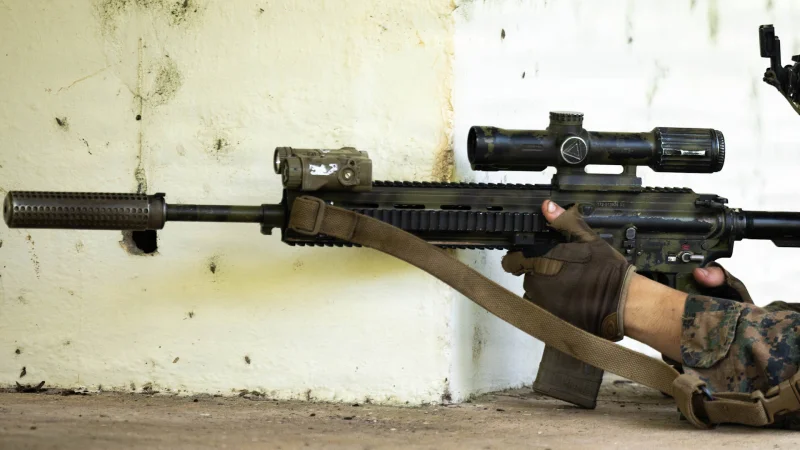
Estados Unidos has begun deploying 600 soldiers to a new training facility in the Panama jungle, the latest step in a broader military push in América Latina that is being framed as an anti-narcotics campaign. The troops are set to train with the armed forces of Colombia and Honduras after arriving at the site.
The deployment matters now because it puts a concrete number on a campaign that has been widening for weeks: troops in Panama, drones shifted by the Pentagon from África to Colombia and Ecuador, and U.S. military personnel already carrying out operations in those countries. Taken together, those moves show that Washington is not just talking about support on the ground; it is building a wider operating footprint across the region.

Francis Donovan said the U.S. Army plans to expand its anti-drug operations from strikes on boats to incursions on land. That is the clearest sign yet that the campaign is moving beyond the maritime attacks that have already killed at least 239 people. Legal experts have denounced those attacks as extrajudicial executions, a charge that hangs over the new deployment even as it is presented as cooperation against narcotics trafficking.
The promised training with Colombia and Honduras also leaves one key point unresolved: how far this new phase will go. The facts released so far confirm the 600-person deployment, the drone transfers, and the existing operations in Colombia and Ecuador, but not the full scope or timing of any further expansion on land. For now, the shift is plain enough. The U.S. is deepening its military role in the region while insisting the mission is about stopping drugs, not widening the fight.