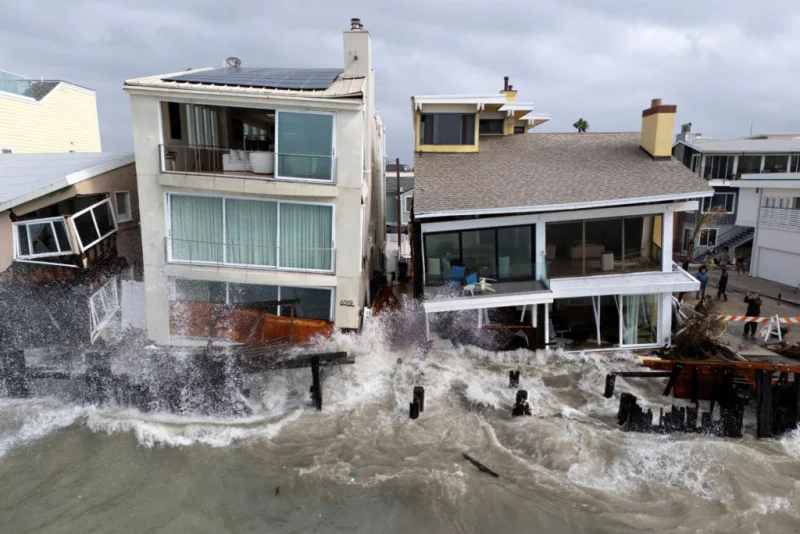
Flooding from Isaias pushed western North Carolina into a rough Sunday, with five landslides, voluntary evacuations and rescues unfolding overnight in McDowell County as rain kept rivers and streams spilling over their banks.
The storm’s reach was wider than one county. In Burke County, an unhoused man and woman camping near the Catawba River were rescued after floodwaters caught them off guard, and a woman trapped inside her car in floodwaters was freed outside Morganton. Those rescues came as heavy rain raised the risk of flash and urban flooding and made road travel hazardous across the region.
What made the night stand out was not just the damage, but the pace. McDowell County first responders handled the five landslides while also carrying out voluntary evacuations overnight Saturday into Sunday, yet emergency management said there were no known injuries or loss of life. That is a rare outcome after a weather system has already pushed water across roads and into homes and forced crews to work in the dark.

Rainfall totals helped explain why. Nearly a dozen local weather stations in western North Carolina reported torrential 24-hour totals at 9 a.m. Sunday, with amounts ranging from about 5 inches to 9.57 inches at the fire/rescue station in Enola. The National Weather Service said rainfall was easing, but rapid river rises and flooding remained possible, leaving crews and residents still watching the water even as the rain let up.
The same storm also carried other threats beyond the flooding. Tornadoes were possible in parts of Virginia and North Carolina, while the remnants of Isaias continued to move through the central Appalachians and the mid-Atlantic region after coming ashore Friday as a Category 2 hurricane near Destin, Florida. That meant one system was still delivering wind, water and uncertainty long after landfall.
The unanswered piece in McDowell County is not whether the storm caused trouble. It did. The question is how many people were moved out of harm’s way and how long the voluntary evacuations lasted, details that would show just how close the county came to a worse outcome. For now, the clearest fact is that crews got through the night without known injuries, even as the water kept rising around them.