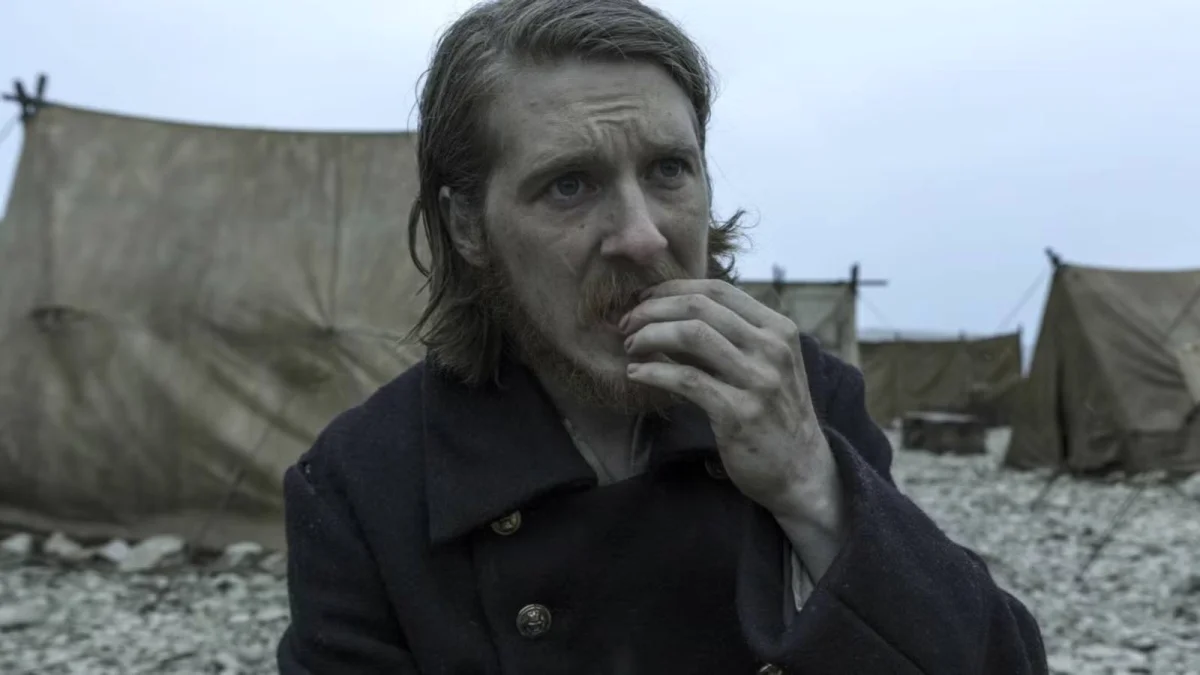
When The Terror reached AMC in March 2018, it turned a grim Royal Navy expedition into one of TV’s coldest scares. The first season follows HMS Erebus and HMS Terror as they push into the Northwest Passage, get trapped in polar ice, and watch survival collapse under hunger, frostbite, scurvy, and fear.
That is what gives the show its pull today. Based on Dan Simmons’ 2007 novel, the season uses a real mid-1800s voyage as its spine, then adds the Tuunbaq, a hulking, feral beast with the look of a warped polar bear and the appetite of a thing that has already won. Ridley Scott helped bring the anthology to the screen, and the result is a story that starts in history and drifts into nightmare without ever losing its sense of place.
The appeal is partly structural. The first season has 10 episodes, and the creature is held back hard at first. For four episodes, it is barely shown. In Episode 5, the series finally exposes its full face and body, and the horror changes shape: the threat is no longer only what the men can see in the ice, but what fear does to them when they are cut off, exhausted, and beginning to break.

That split between fact and invention is the engine of the whole season. The expedition itself is presented as a doomed attempt to chart uncharted territory in the Northwest Passage in the mid-1800s, with the crew facing dwindling food supplies, gangrenous infections, low morale, claustrophobia, and even talk of cannibalism. But the Tuunbaq is not part of that history. Simmons created it for the novel, drawing on the Tupilaq, a vengeful shapeshifting monster from Inuit folklore. The show keeps the expedition’s human misery grounded while using the creature to give that misery a face.
That choice pays off most brutally in Episode 8, “Terror Camp Clear,” where the Tuunbaq’s goriest and deadliest attack lands. By then the series has spent enough time on the men’s psychological erosion that the violence feels less like a shock effect than the end point of a long collapse. The following episode pushes even deeper into that erosion as the journey nears an end, making clear that the monster is only part of the ruin. The real terror is how quickly endurance gives way once the ice closes in.
Seen that way, The Terror works as both historical drama and creature story, with the second feeding the first instead of replacing it. The next question for viewers is not whether the expedition is doomed — the season answers that from the start — but how much punishment the crew can absorb before the ice, the hunger, and the Tuunbaq leave nothing left to save.