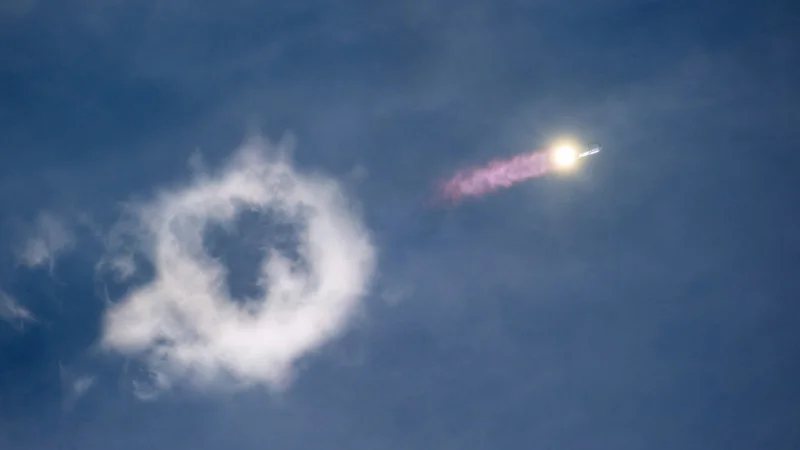
World Space Week runs from 4 to 10 October, and the UN’s space work is being pushed into view with it. The annual observance sits beside a long record of UN action in outer space, from early governance to current uses of space science in health, farming and orbital safety.
That is why people are searching for the World Space Week 2026 theme now: the week is current, the UN framing is active, and the calendar has already turned toward October. UNOOSA has monitored developments since the Soviet Union launched Sputnik in 1957, and the General Assembly created a committee in 1959 to govern the exploration and use of space for the benefit of all.
The institutional weight behind the observance is real. COPUOS has helped shape five treaties and principles governing outer space, while at least 25 UN entities now use space science and technology in their work. That reach runs from the IAEA and FAO, which sent seeds to the International Space Station in November 2022 to see how harsh space conditions alter plant genetics for climate resilience on Earth, to WHO, which worked with UNOOSA on space science and satellite technology to help tackle global health challenges.

The human side of space still carries the force of the story. In 1990, 17 astronauts described what they had seen in Our Planet Earth, and one of them said it was “like entering a dream state,” calling it “the greatest feeling I ever had in my entire life.” He said he saw “the black sky and the bright sun,” and added that he felt “a love for all the inhabitants of the Earth” and “just wanted to love them all.”
But the same UN work that celebrates that wonder also has to deal with what is left behind. UNEP promotes long-term sustainability in Earth’s orbit because 130 million pieces of debris are in circulation, a reminder that every advance in space brings a responsibility to keep it usable. The contrast is sharp: the same system that supports lunar exploration and satellite science now has to manage the clutter that threatens both.
The unresolved point is the one readers are already chasing. The observance is set, the UN space agenda is clear, and the record of space cooperation is public. What is not yet spelled out here is the specific World Space Week 2026 theme itself, or how it was chosen, even as the week continues to serve as the annual banner for the UN’s wider space work.