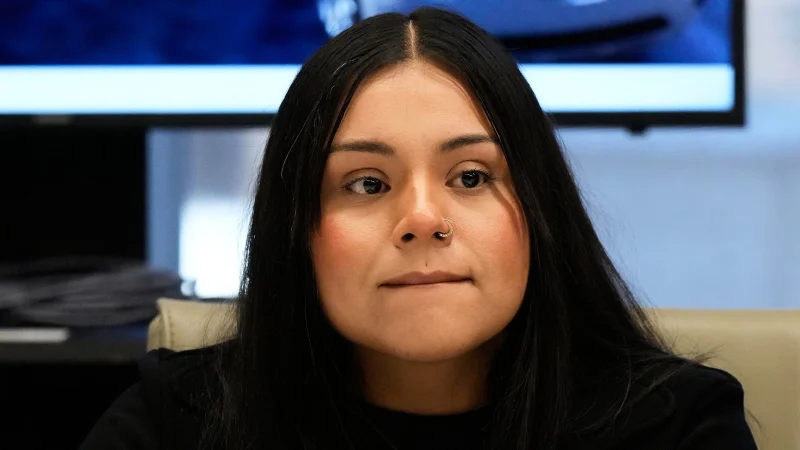
Marimar Martinez filed a lawsuit against the federal government on Monday, turning a Chicago shooting that left her with seven gunshot wounds into a civil case over what happened when a Customs and Border Protection agent opened fire. The suit was filed under the Federal Tort Claims Act, which her lawyers say is the only route they can use because it does not allow claims against individual agents.
The filing lands one year after Martinez was shot on Chicago's southwest side during Operation Midway Blitz, the same case in which federal prosecutors first said she had used her vehicle to strike and box in Charles Exum's SUV before Exum got out and shot her. Prosecutors later moved to dismiss the charges against her, and that reversal is part of why the civil lawsuit matters now: the criminal theory that made Martinez the aggressor has already begun to collapse, while the government has not offered a public explanation for why it stepped back.

Martinez's lawyers are now trying to replace that account with a different one built on trajectories, injuries and video. Chris Parente said an expert reviewed the bullet paths and Martinez's wounds and found that Exum was not in the path of her car when he opened fire. He said Exum walked several feet toward her vehicle, fired five shots in less than a second and delivered the last shot from the rear side of the car. Parente also said Exum told an FBI agent within hours of the shooting that Martinez was driving directly at him and that he shot her five times through the windshield, but the physical evidence did not match that story.
He pointed to only three bullet holes in the windshield on the right passenger side, said the fourth shot went through the front passenger side window and said a bullet hole in the back of the car seat showed the fifth shot came from behind her. In his view, that is the central problem in the case: the shooting has shifted from a fast-moving roadside confrontation to a question of whether the government's first account can survive the evidence gathered afterward. A body-worn camera recording from another agent in Exum's vehicle also captured agents saying it was time to get aggressive, a detail that cuts against any claim that the encounter was simply a split-second defensive response.
The civil case also revives the treatment Martinez says she received after the shooting. The lawsuit says the FBI arrested her while she was still in the hospital, that she was wheelchair bound and that her bullet holes were leaking blood through her bandages when she was taken into custody. A judge ordered her release two days later. CBP has said Exum was placed on administrative leave, but he is not a defendant in the lawsuit because the Federal Tort Claims Act does not permit suits against individual agents. Messages released by Martinez's attorneys in February also showed Greg Bovino praising Exum for his excellent service in Chicago after the shooting, while other agents in a group chat called him a legend. For now, the civil filing does not answer the most important unresolved question in the case: why prosecutors backed away from the charges after first portraying Martinez as the driver who triggered the gunfire.