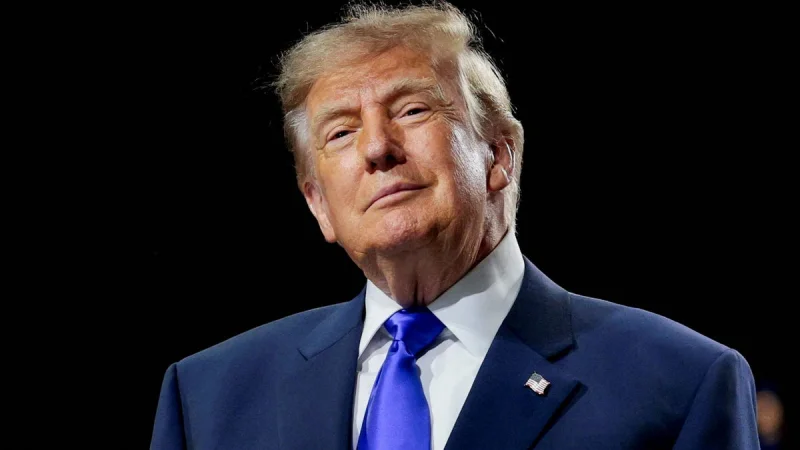
Donald Trump promised on Sept. 9 to send every American adult $5,000 if Republicans kept control of both houses of Congress in the Nov. 3 elections, a campaign-linked pledge he said would be called the Trump dividend. He made the pitch in Dallas, telling supporters the money would have to be spent in the U.S.
The promise landed because it was unusually direct: a specific cash payment tied to a specific election outcome. Trump did not say how the dividend would be paid for or how much it would cost, but experts said the plan would run to an estimated $1.2 trillion and would need approval from Congress before any checks could go out.
That cost is what gives the proposal its weight. The White House said the dividend was possible because of unleashed trillions in new private investment and reductions in government waste, but the math remains punishing. A payout of $5,000 to every American adult would require a federal commitment on a scale that could not be hidden inside routine spending, and the plan offers no funding source beyond political confidence.

Susan Collins said the proposed $5,000 dividend would not have an income cap and would be extraordinarily costly. John Thune, asked whether there would be enough votes for passage, called it a good question and said, “We will cross that bridge when we come to it.” The split inside the GOP was matched outside it, where Jamie Raskin called the idea a political bribe, Dan Goldman called it corrupt and blatantly illegal, Ron DeSantis warned it could lead to more debt and inflation, and Bob Good described the checks as a socialist vote-buying scheme.
The contrast sharpened the same week. On Sept. 10, Trump said the administration would also pay $500 to nearly 1 million Americans in 30 states as part of an Obamacare refund, with the White House posting a video and fact sheet a day later. Trump said the refunds came from excess fees collected through Healthcare.gov and that the administration was giving the money back to people who were wrongly ripped off. He said the amount of excessive fees was $500 million.
That smaller payment is the reason the larger pledge now draws such scrutiny. The administration has already opened one channel for federal checks, but the Trump dividend is a different order of magnitude and would still need Congress to turn a promise into law. Bernie Moreno said on X that he would prepare legislation for the dividend, yet Thune’s answer points to the central hurdle: even among Republicans, support is not the same thing as votes.
Trump has floated payments to Americans before, including ideas tied to dividends from the Department of Government Efficiency and tariff dividends, but the Dallas pledge was the clearest version yet. It linked direct cash to the fate of Congress, named the check, and left the hardest part unsolved. Until lawmakers decide whether to back it, the Trump dividend is less a program than a test of how far election-year promises can be pushed before the numbers stop them.