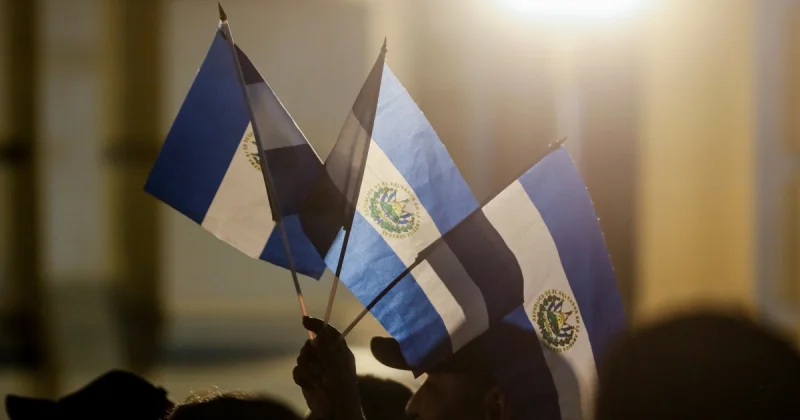
Temporary legal protections for about 200,000 immigrants from El Salvador reached a deadline on Wednesday, leaving their status in limbo while the Trump administration had not said whether it would let the program end. If the Department of Homeland Security does nothing, the protections are extended automatically for six months.
The issue matters now because the designation covers people who have lived in the United States since 2001, and it allows them to stay and work in renewable periods of up to 18 months when Homeland Security says conditions at home are unsafe. For Salvadoran families, the decision is not abstract. The vast majority have children born in the United States, and many have already lost jobs while fearing detention, separation from family members and deportation to a country they barely know.
Temporary Protected Status was created by Congress in 1990 to stop deportations to countries hit by natural disaster or civil strife, and El Salvador was added after two devastating 2001 earthquakes left hundreds of thousands of people homeless. President Joe Biden extended the Salvadoran designation for 18 months to Sept. 9, 2026, just before leaving office, but that protection is now under review in Trump’s second term.

The broader pattern is what gives the deadline extra weight. During Trump’s second term, Homeland Security has ended TPS for more than 1 million people from 14 countries, including El Salvador, Venezuela, Haiti, Honduras, Nicaragua, Afghanistan and Syria. Only about 103,000 people from three countries remain protected, with termination dates in October for Ukraine and Sudan and November for Lebanon. The Supreme Court also ruled in June that Homeland Security acted within its authority when it ended TPS for about 350,000 Haitians and 6,000 Syrians.
That makes the Salvadoran case harder to read, not easier. El Salvador has become one of the safest countries in the Americas since Salvadoran President Nayib Bukele ordered mass arrests in 2022, and the State Department upgraded its travel advisory to the highest level in April 2025, citing a drop in violent crime and murders. Yet many TPS holders still say they would face danger if forced back, pointing to detentions, prison abuses and the fact that they have built their lives in the United States over more than two decades.
Bukele has been a familiar figure in the immigration politics around the program. He asked Donald Trump in 2019 to extend TPS, met Trump at the White House in April 2025 and again in Washington in July 2026, and received deportees at CECOT, the mega prison in El Salvador. Salvadorans in the United States sent $9.9 billion in remittances back home, which means the decision now reaches far beyond the legal status of one group and into households on both sides of the United States-El Salvador link. The immediate question is whether Homeland Security acts before the automatic extension takes effect, or lets the six-month clock run on as the administration decides what comes next.