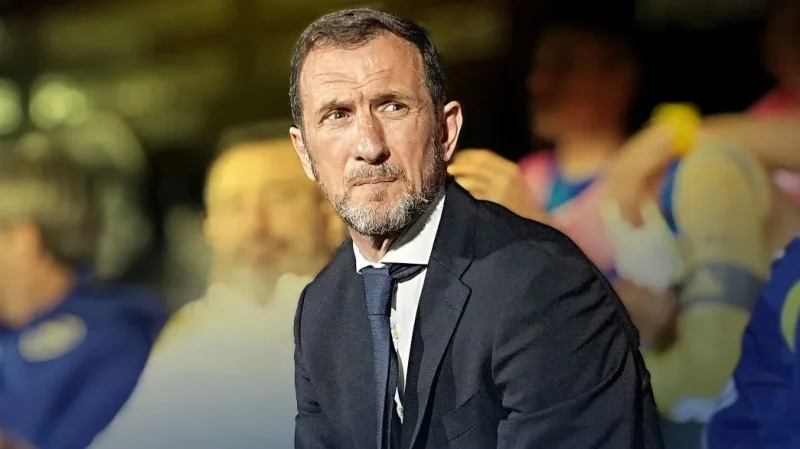
Rodolfo Arruabarrena has turned Boca Juniors into something closer to a possession team than the club’s more familiar reactive version, and the change was already showing before the Copa Sul-Americana quarterfinal against São Paulo. At 51, the coach returned in June for a second spell and quickly put results behind the new shape.
That is why Boca vs São Paulo is drawing so much attention now. Arruabarrena came back after Claudio Úbeda’s departure and, by the time Boca reached the quarterfinal, the team had suffered only two defeats in 14 matches and was carrying a 10-game unbeaten run into the tie.
The numbers matter because they back up more than momentum. Arruabarrena’s preferred 4-3-3 asks Boca to keep the ball, move it quickly and press high when it is lost. Leandro Paredes and Santiago Ascacíbar are central to the organization, while Alan Velasco and Sebastián Villa give the side width and depth on the flanks. It is a cleaner, more controlled way of playing than the old habit of waiting and striking.
That is also the friction inside the story. Boca’s identity has long been tied to force, instinct and the comfort of being dangerous without dominating the ball, yet Arruabarrena is trying to win with the ball more often than without it. That is not a small adjustment for a club that measures itself by results first and style only when the results hold up. He has the credibility to make the case, though, because he is not an outsider asking for patience. He came through Boca Juniors’ youth categories, debuted professionally in 1993 and won the 2000 Copa Libertadores and two Argentine championships with the club.
Arruabarrena’s deal runs until December 2027, which gives Boca time to test whether this version of the team is durable or only early-season sharp. The immediate answer will not come from a slogan or a backstory. It will come from whether the new possession game can survive a quarterfinal against São Paulo and keep Boca moving deeper into the Copa Sul-Americana.