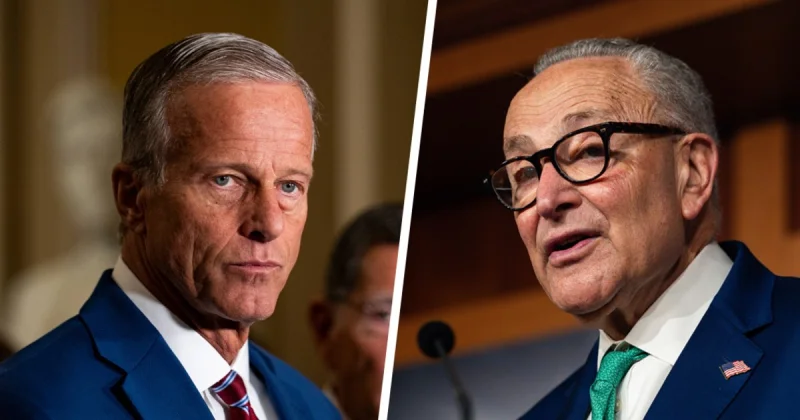
Control of the Senate has slipped from what Republicans thought was a firm hold to a fight that is now up for grabs with less than two months until Election Day. John Thune, the Republican leader, said last week that he does worry about losing the chamber.
That matters now because the fight is no longer theoretical. Republicans are dealing with slipping approval ratings for President Donald Trump and voters who are unhappy with the economy, while Democrats are contesting states that once looked out of reach. The spending tied to the battle is expected to top $3.4 billion across all races in the midterm campaign, a scale that shows how many places are now in play.

The Senate is not just a prize for party leaders. It can confirm or block presidential nominees, which means its outcome will shape the rest of President Donald Trump’s term, from administration jobs to court seats. Republicans had gone into the final two years of his term believing they had a steady grip on the chamber, but that confidence has faded as the map has widened for Democrats.
Still, Republicans are arguing that the whole fight is unlikely to break in Democrats’ favor. That is the uneasy part of the story. Thune’s warning cuts against the public face of confidence, and it reflects a chamber where even a small shift in turnout or enthusiasm could decide who holds the gavel after Election Day.
What comes next is the part that will settle the argument. Election Day will test whether the Republican edge holds or whether the competition now running through the Senate map ends with Democrats taking control of the chamber and changing the balance of power for the rest of President Donald Trump’s term.