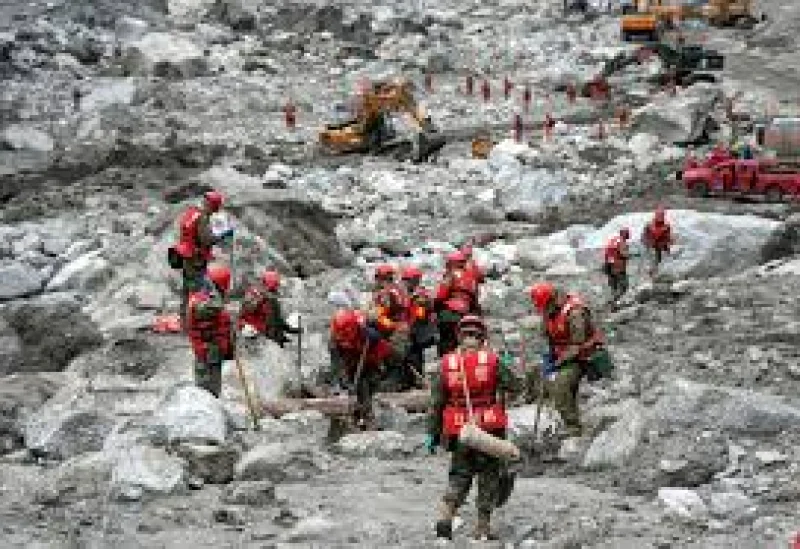
A sudden flood tore through the Rasuwagadhi crossing on the China–nepal Border and swept away much of the border complex after CCTV captured a dark wall of water, mud, boulders, ice and rock at 10:59:53. By the time the surge passed, buildings that had crowded the valley floor were gone.
For Tika Ram Pokharel, the disaster arrived while he was in Kathmandu sitting an exam. He later said he had called a colleague at 08:20 that morning and was told the crossing was unusually busy, with around 300 to 400 people waiting to leave Nepal for Tibet and others arriving from the Chinese side. Nepal's immigration department later turned to electronic records from the Rasuwagadhi border post to rebuild the final hours, and those records showed the system's last transaction at 08:35:03 local time, less than 10 minutes before the torrent appeared on CCTV.
The figures on those records tell only part of the story. They show 89 Nepali and foreign nationals clearing immigration to leave Nepal for Tibet and four people registering entry into Nepal, a total far smaller than Pokharel's account of the crowd building around the crossing. Among those logged out were 32 Indians, 12 Chinese nationals and nine Americans, along with citizens of Britain, Canada, Australia and Italy. That gap matters because at least 275 Indians remained missing in Nepal, according to India's foreign ministry, and four immigration employees, including the head of the Rasuwagadhi office, also went missing in the floods.
The border point stood at Ghatte Khola Bazar, about 1.5km north of Timure and another 2km from the Friendship Bridge marking the line with Tibet. Shops, hotels and parking areas lined the stretch in between, serving pilgrims, traders, truck drivers, customs officials, tourists and local residents on a route Ajay Dixit called a historic travel route between Kathmandu and Tibet. He described the valley as geologically vulnerable, with deep gorges and steep rivers that move at high speed, carry heavy sediment and can bring down huge boulders.
That geography helps explain how quickly the crossing vanished, but it does not settle who was still inside it when the water hit. The body of the head of the Rasuwagadhi office was later recovered far downstream, while the female official who recorded the final transactions remains missing. With the immigration office's records, the CCTV timestamp and Pokharel's account still not matching neatly, the most important task now is to reconstruct who was at Rasuwagadhi in the final minutes before the border was erased.