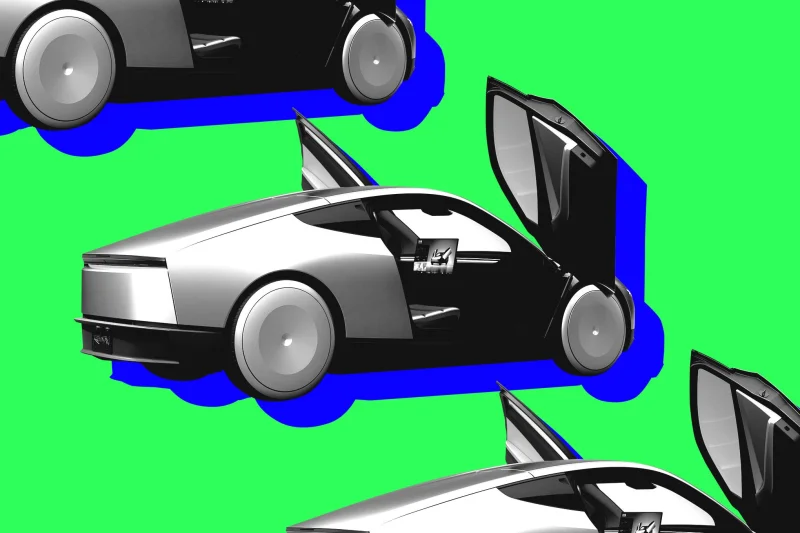
Tesla is putting the Cybercab into operation as part of its robotaxi service in Austin, Texas, turning a vehicle that was first unveiled nearly two years ago into a public ride for the first time. The launch is set for tomorrow.
That makes the Cybercab the clearest test yet of Elon Musk’s long-running promise that Tesla can run a purpose-built autonomous car without a steering wheel, using only cameras and AI to guide it through city streets. The vehicle is a gold-tinted, gull-wing-door, steering-wheel-free two-seater, built for one job: move people without a driver in the seat.
The reason people are searching for it now is simple. Public rides are here. For Musk, that matters because the Cybercab is not a concept car anymore; it is moving from presentation to operation in Austin, where Tesla is asking riders to trust the same company that has spent years arguing its cars were being misused by drivers when crashes happened. This time, if something goes wrong in the Cybercab, Tesla says it will bear full legal responsibility.
The system inside the vehicle is also narrower than the one Tesla sells to millions of owners. Tesla’s Full Self-Driving remains a Level 2 driver-assist feature that requires human supervision. In the Cybercab, Tesla is using a modified version of that software, and remote operators will monitor it and could theoretically step in if there is a problem. That is a different setup from the consumer version, where the person in the car is still expected to supervise the system. The move keeps the vehicle tied to Tesla’s existing software, but it also changes who is watching when things go wrong.
That is where the launch gets its weight. Tesla is putting a camera-only autonomous vehicle into public service even though FSD and Autopilot have been linked to dozens of fatalities and thousands of crashes. Musk has defended a stripped-down approach for years, laying out the idea at Tesla’s inaugural Autonomy Day in 2019 and rejecting the protruding sensors used by Waymo cars at the time. His top target for criticism was lidar. The Cybercab is the company’s answer to that argument, and Austin will be the first place where the theory meets the street.
For now, the question is not whether Tesla has a pitch. It is whether a robotaxi built around cameras, a neural net and remote oversight can survive public use without exposing the limits of Musk’s bet. The first rides in Austin will not settle that on day one, but they will show whether Tesla is finally ready to live with the consequences of its own autonomy claims.