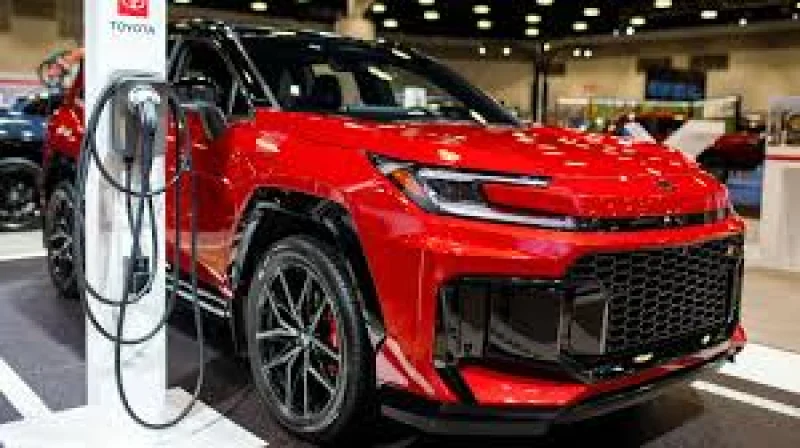
Toyota’s latest RAV4 is arriving in limited numbers, and buyers are being told to expect waits that can stretch from several weeks to a few months. At Colonial Toyota in Milford, owner Bobby Crabtree said the lot is so bare that the property could fit another 250 vehicles.
That shortage is showing up in ordinary purchases, not just on paper. Nancy and Ira Berman ordered their RAV4 in March, and six months later the SUV is finally about to land. Nancy Berman called the wait a slight annoyance and said it did not stop the couple from going on with the purchase because they have other Toyotas to drive.

The timing matters because the RAV4 is one of Toyota’s biggest sellers and the current version is hybrid across the board. Toyota moved almost 480,000 RAV4s in the U.S. last year, and in 2025 it ranked third nationwide, behind only the Ford F-150 and Chevrolet Silverado. Through July, Toyota’s U.S. sales are still up 0.3%, which makes the thin RAV4 supply look less like a companywide slump than a very specific bottleneck on one of its most important nameplates.
Jessica Caldwell said it is really unusual to see cars fly off dealers’ lots like this, especially in the kind of practical, suburban, small-midsize crossover segment the RAV4 occupies. That is part of what makes the pattern stand out. J.D. Power estimates hybrids will account for more than 18% of U.S. vehicle sales in 2026, while internal combustion vehicles remain at 75% and all-electric vehicles at 7%, a mix that helps explain why Toyota is leaning hard into a model buyers now want more than the company can immediately supply.
Toyota told buyers and dealers the early production run would be held to lower volumes before gradually ticking up, which means the shortage is a designed ramp, not a sudden failure. Even so, the company has not given a date for when dealer lots will look normal again. For now, the practical answer for shoppers is the one Crabtree and the Bermans already know: the RAV4 is available, but not quickly.